1973
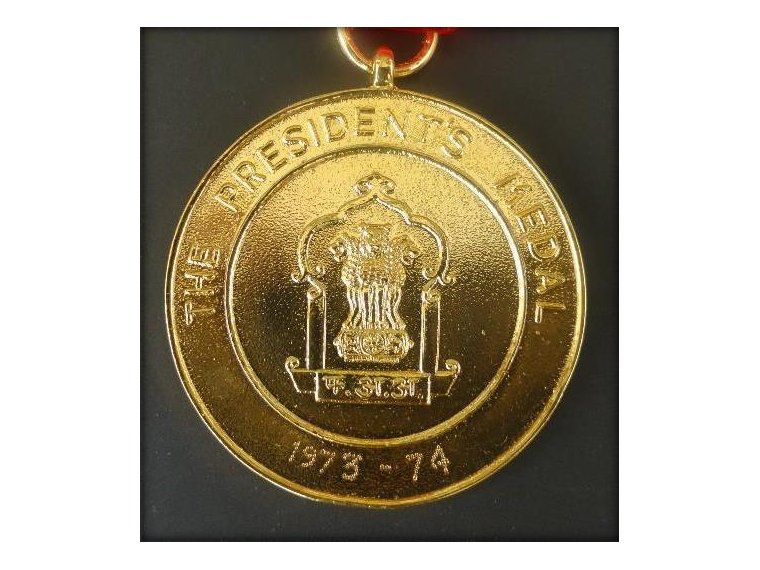
President’s Medal
Awarded by the President of India for standing first among women in the M.B.B.S. examination at her university in Aurangabad.
Who we are
A charitable trust registered in Kenya, restoring the dignity of people with albinism.
Explore about us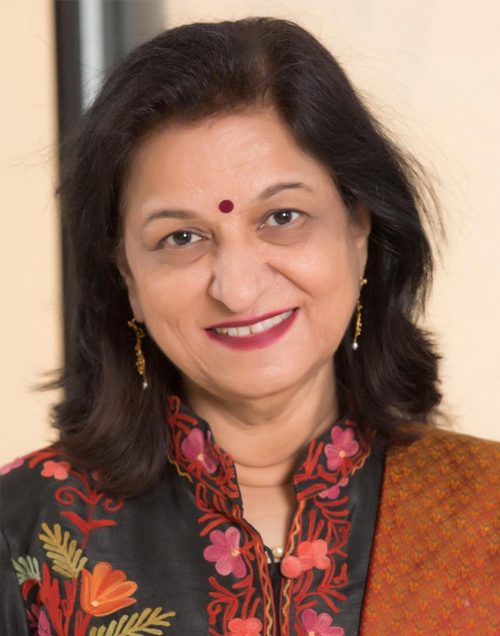 Meet Dr. Prabha Choksey →
News & stories
Watch, read, and listen: the latest from the foundation and the children we serve.
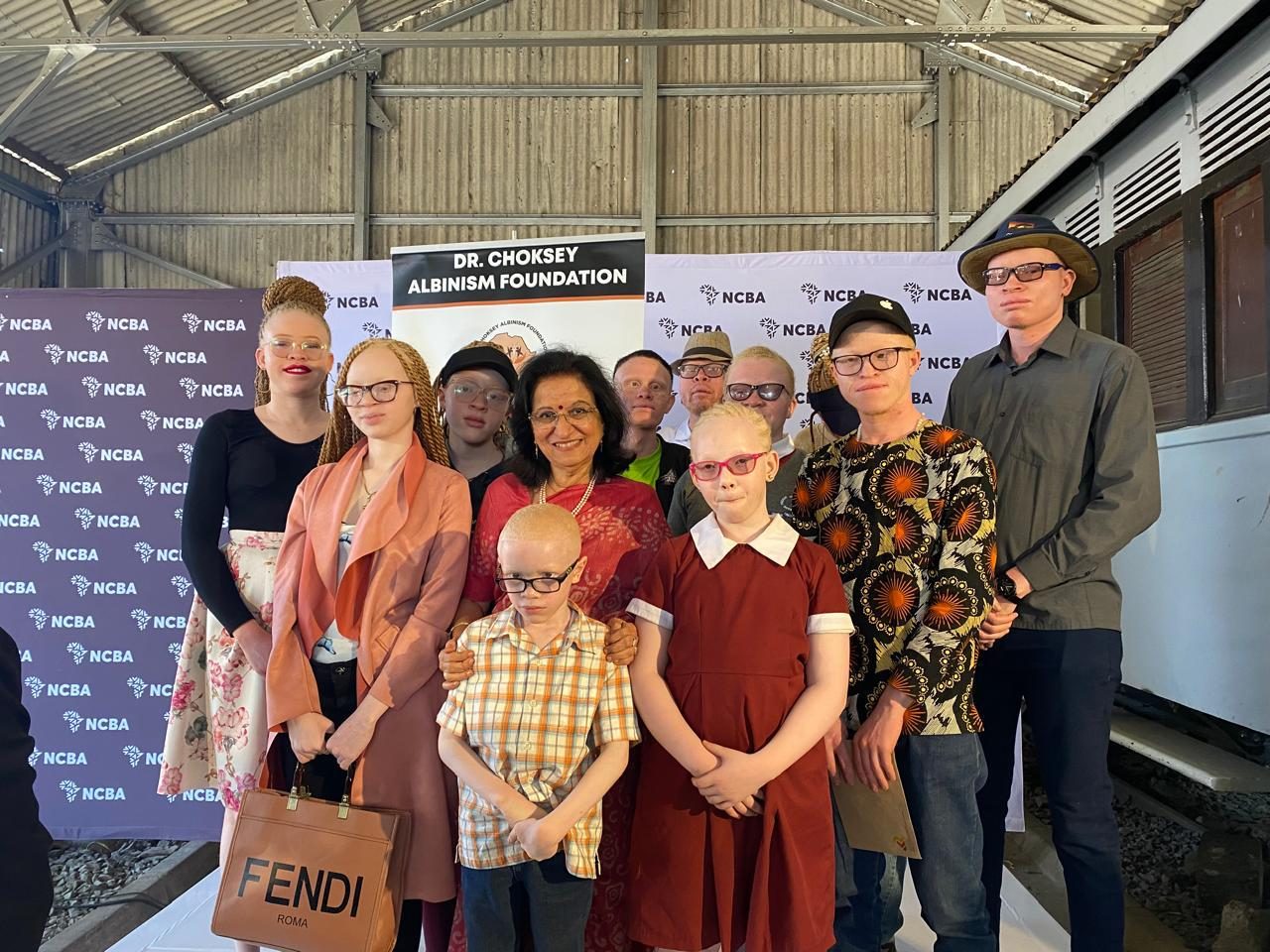
Explore stories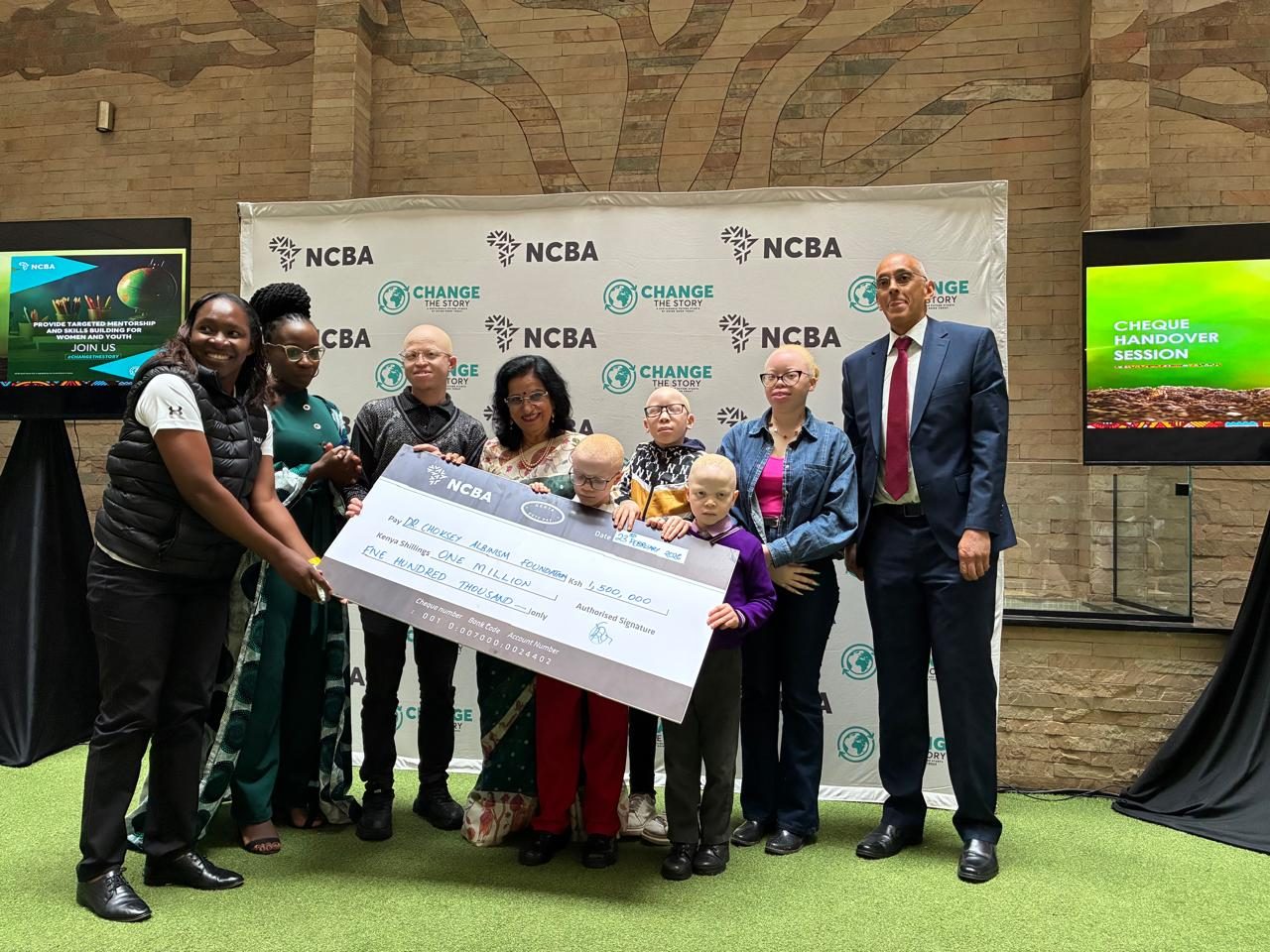 2026 NCBA cheque-handover →
Get involved
Help a child with albinism. Share your love and kindness with those in need.
Explore get involved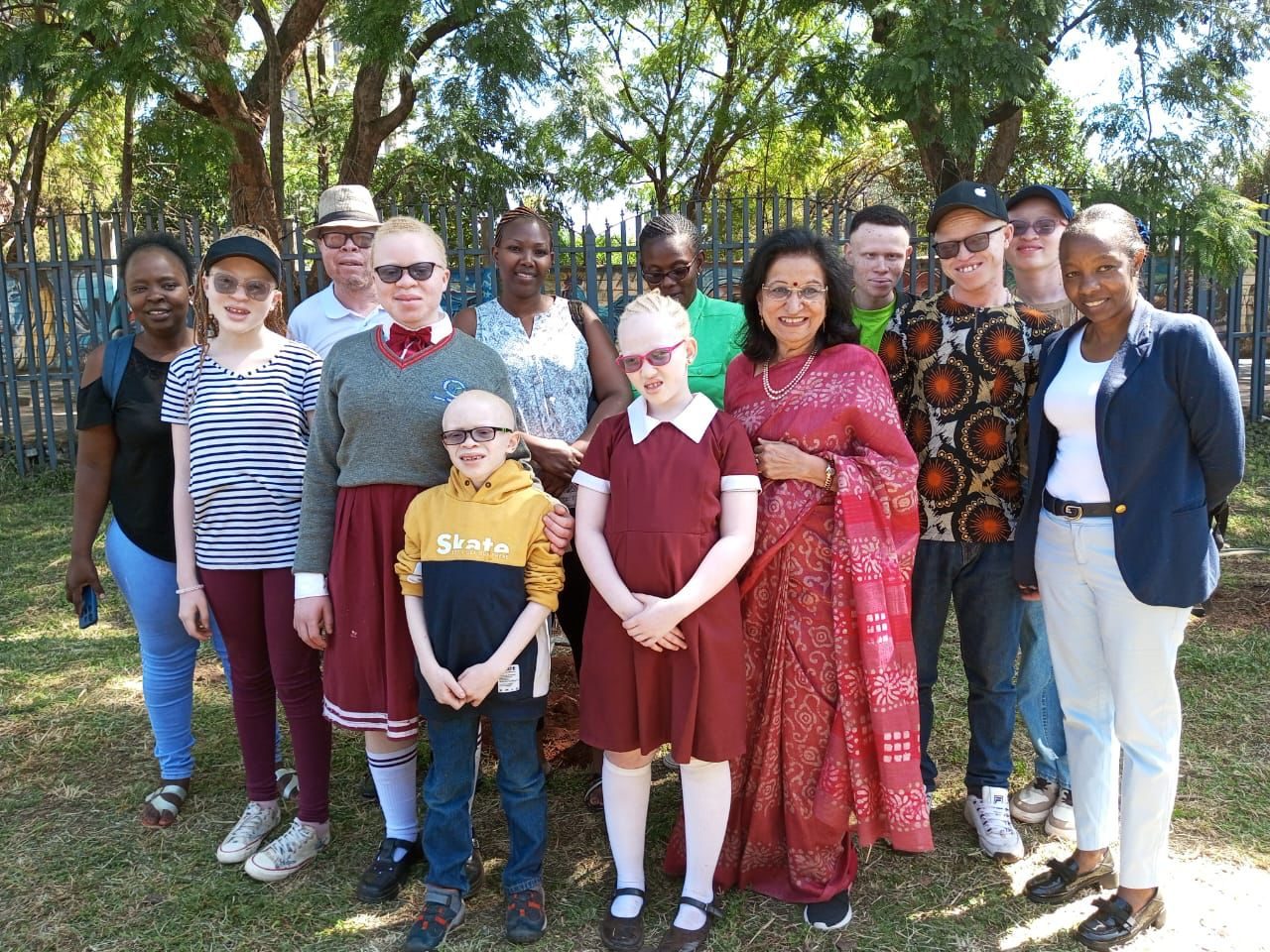 Donate today →
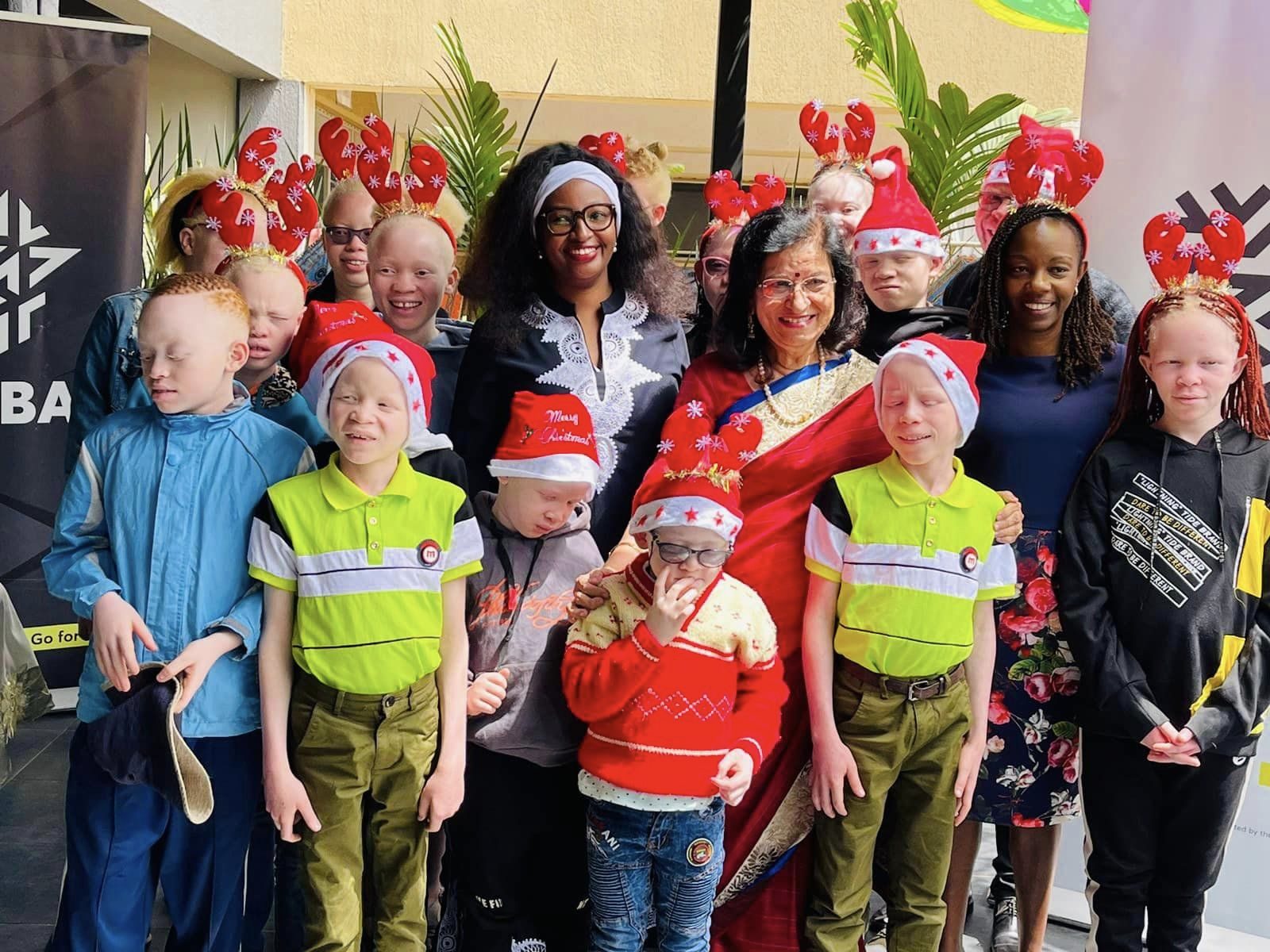
Who we are
Our objective is to restore the dignity of people with albinism, especially children, through eye care and education.
The Dr. Choksey Albinism Foundation is a charitable trust established and registered in Kenya. It was founded by Dr. Prabha Choksey, an ophthalmologist, to reach out to and assist people with albinism, especially children, in Africa.
The purpose of our “Help Ever, Hurt Never” Initiative is to bring together people of goodwill who want to join hands with us to improve the quality of life of people with albinism, from the first eye examination to the last year of school.
Albinism is a global condition and, in the words of the United Nations, one met with “multiple and intersecting discrimination on the grounds of both disability and colour.” The children we serve live in Kenya; the myths, the sun, and the staring are the same the world over. This site is our window for friends, clinicians, schools and supporters beyond our borders — wherever you are reading from, there is a way to stand with them.
Dr. Prabha Choksey has served the people of Kenya as an ophthalmologist since 1987.
Read her story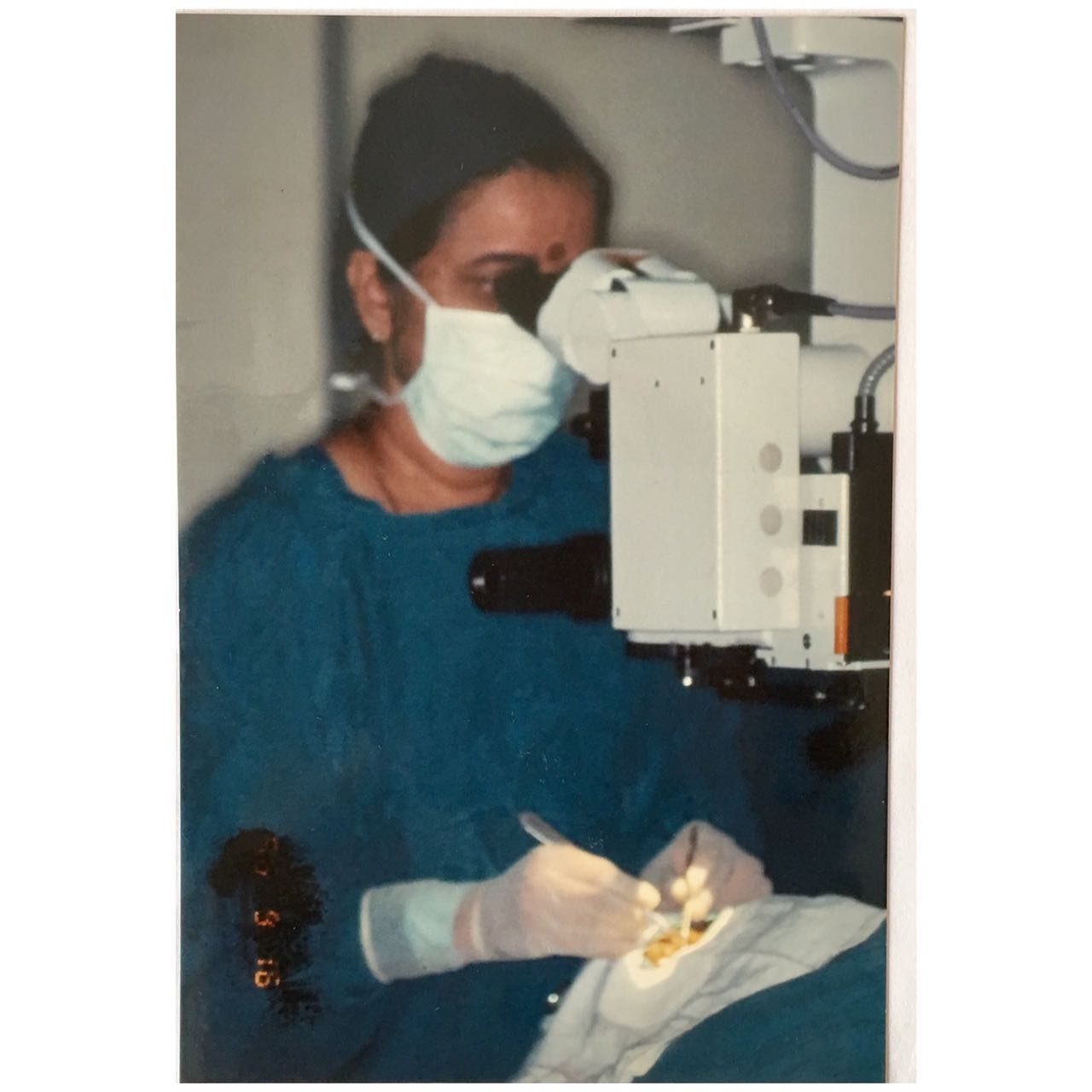
Five decades of milestones, from a medal in Aurangabad to a global albinism forum.
See the timeline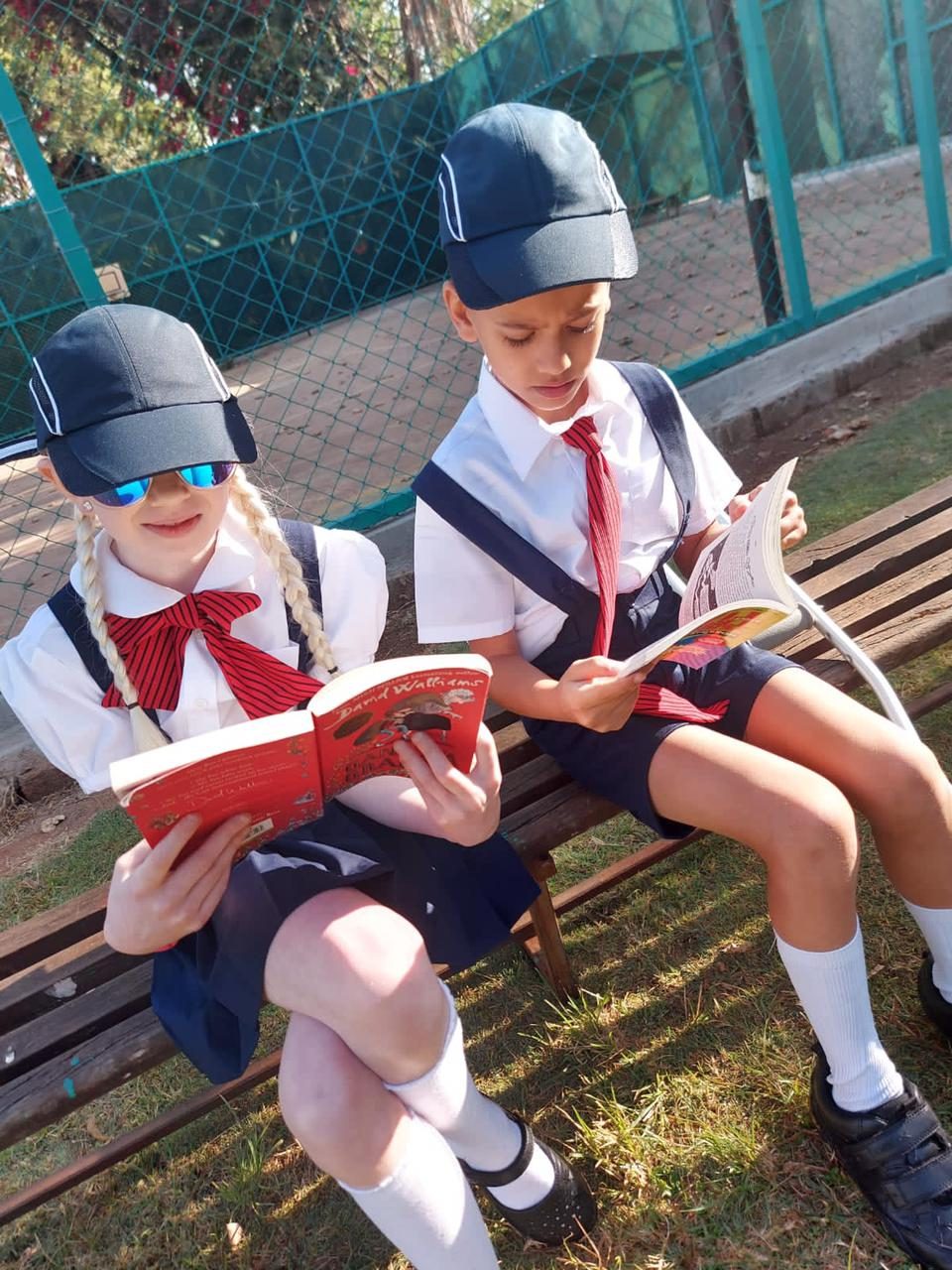
Eye care, school sponsorships, mentorship, workshops, and advocacy across Kenya.
Explore our work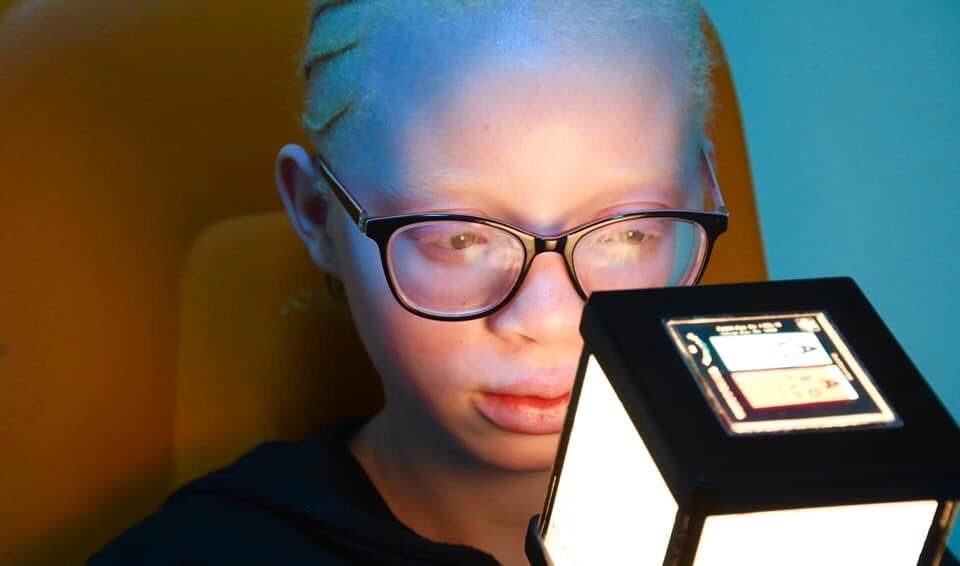
Clear answers about the condition, the eyes, and what children need at school.
Read the facts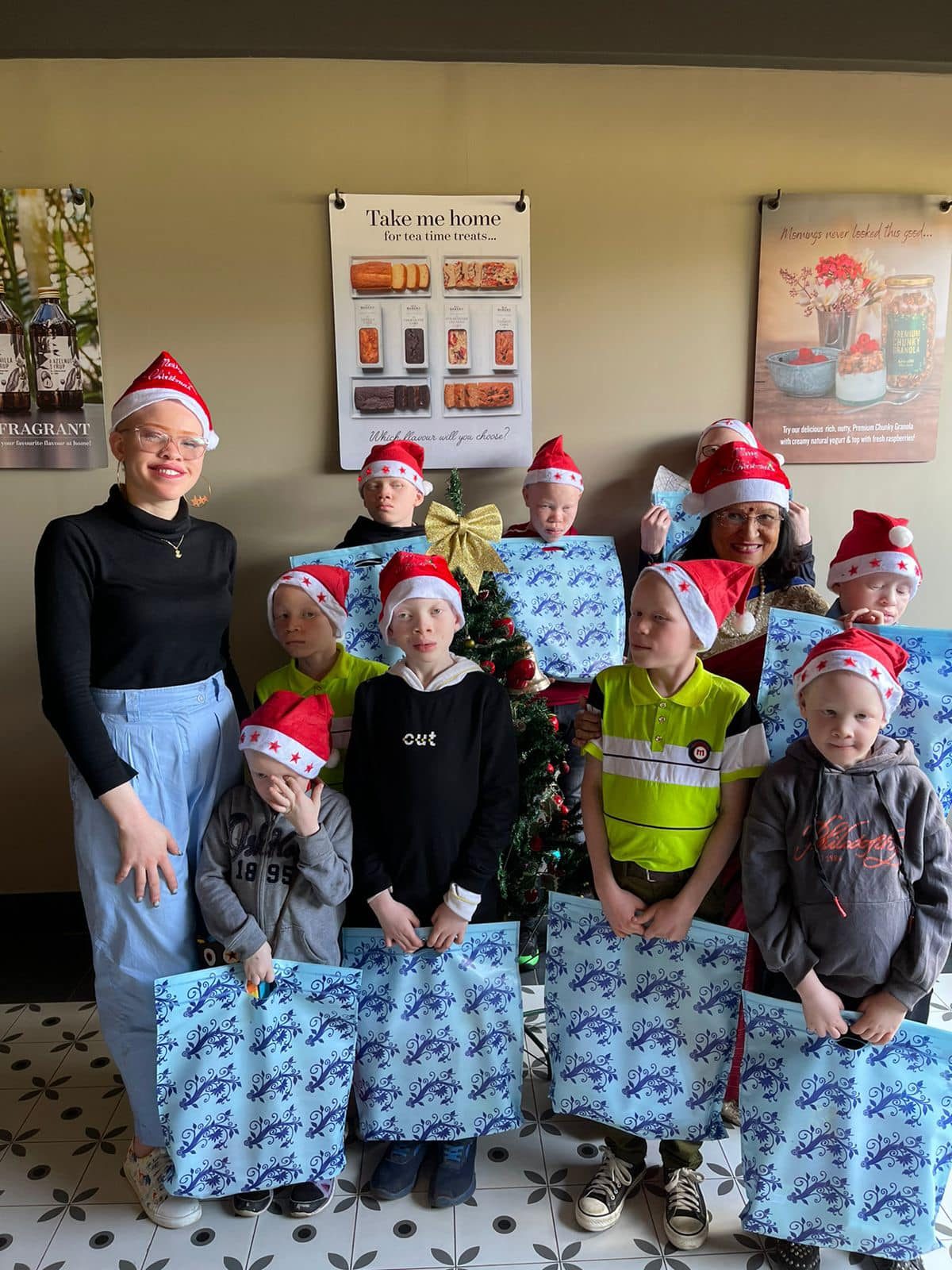
“What the mind does not know, the eye does not see.”Dr. Prabha Choksey, Founder
Our founder
Dr. Prabha Choksey is the founder of the Dr. Choksey Albinism Foundation and an award-winning ophthalmologist with over 40 years of expertise. Kenya’s pioneer ophthalmologist of Asian descent, she has served the people of Kenya since 1987.
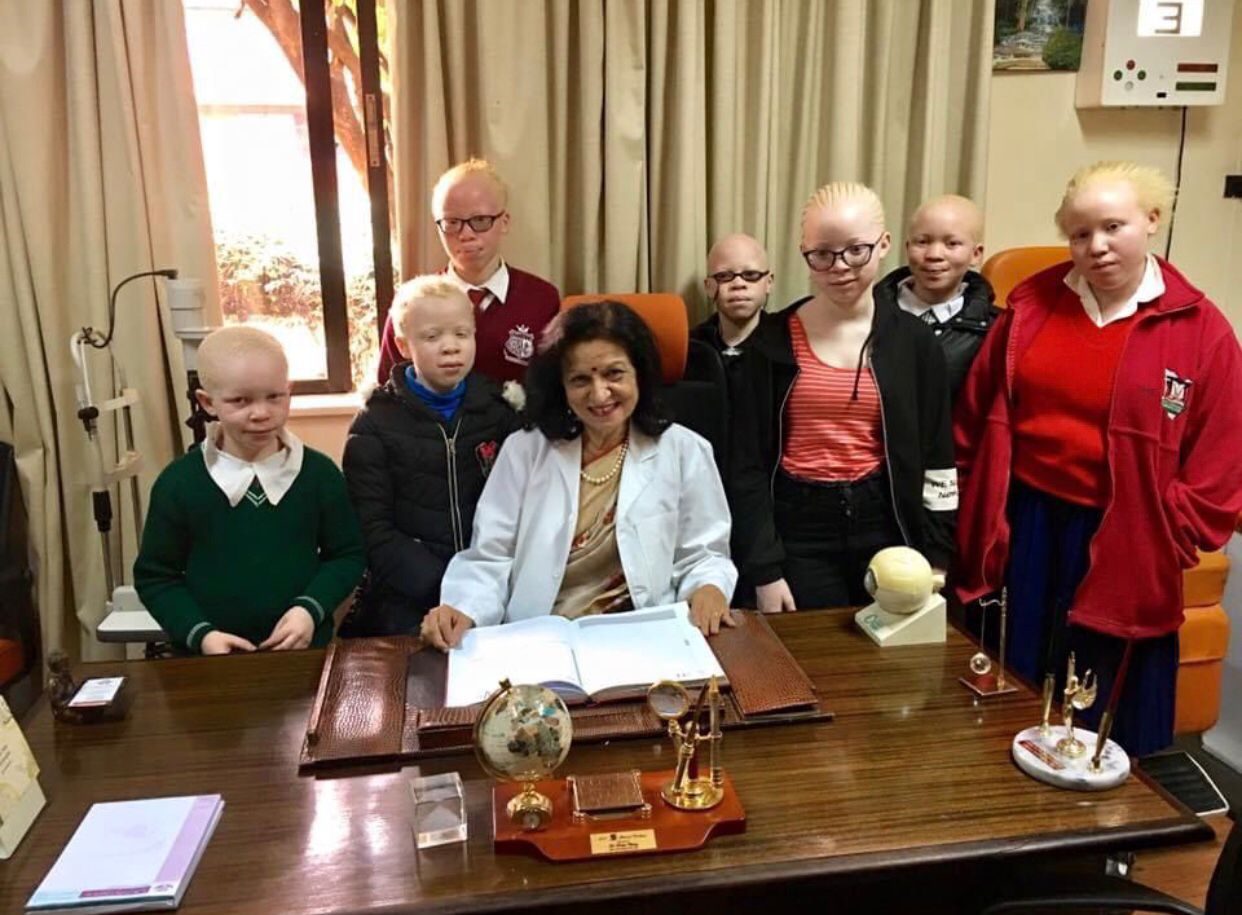
The children she cares for call her “mama.” A President’s Medallist in India and later Chairman of Surgery at the Aga Khan Hospital, she is a founding member of Women Ophthalmologists Worldwide and has examined more than 1,000 people with albinism free of charge.
“My dream is to make eye care accessible and affordable to all Kenyans and others in Africa.”
A journey of a thousand miles starts with a single step.
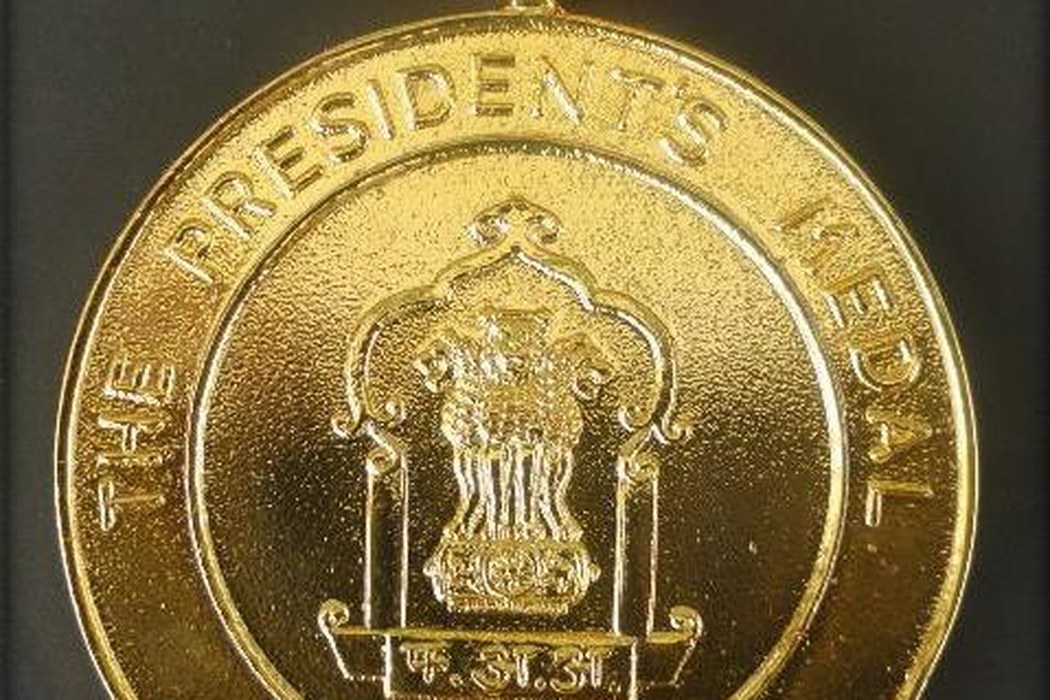
Dr. Choksey stands first in the order of merit in her MBBS examination at Aurangabad, and the President of India awards her the President’s Medal for being the woman standing first in her university.
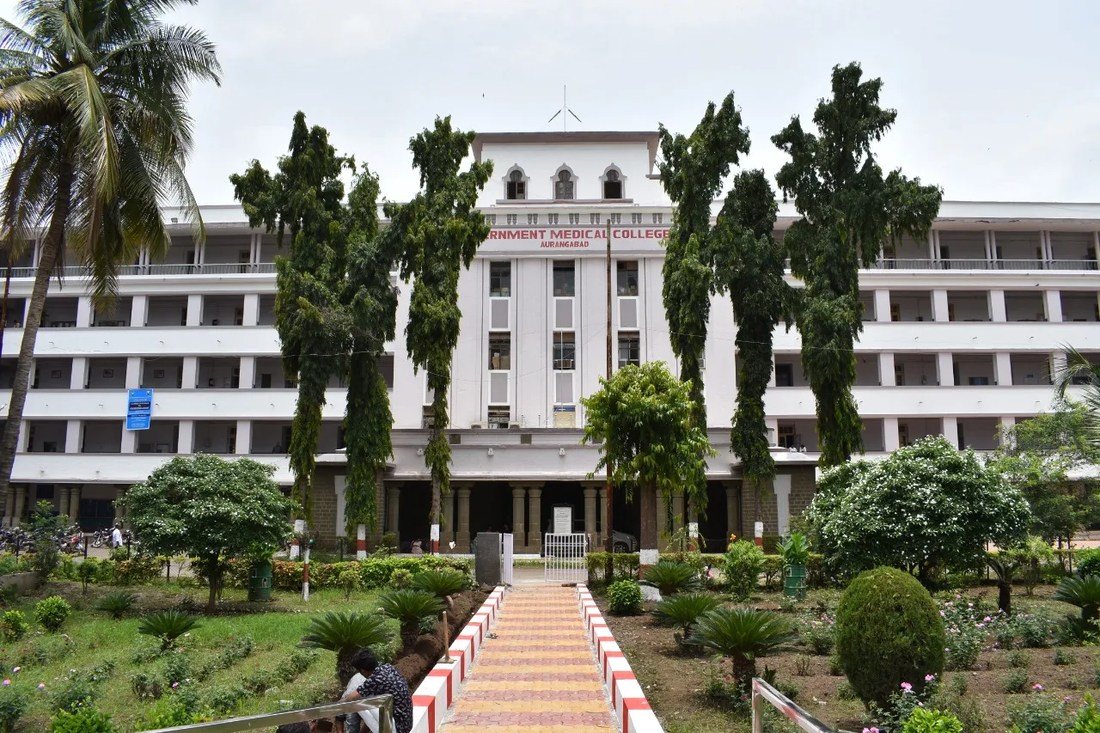
She passes her D.O.M.S. in 1976 and her MS in Ophthalmology in 1977 at Government Medical College, Aurangabad, and begins teaching the same year.
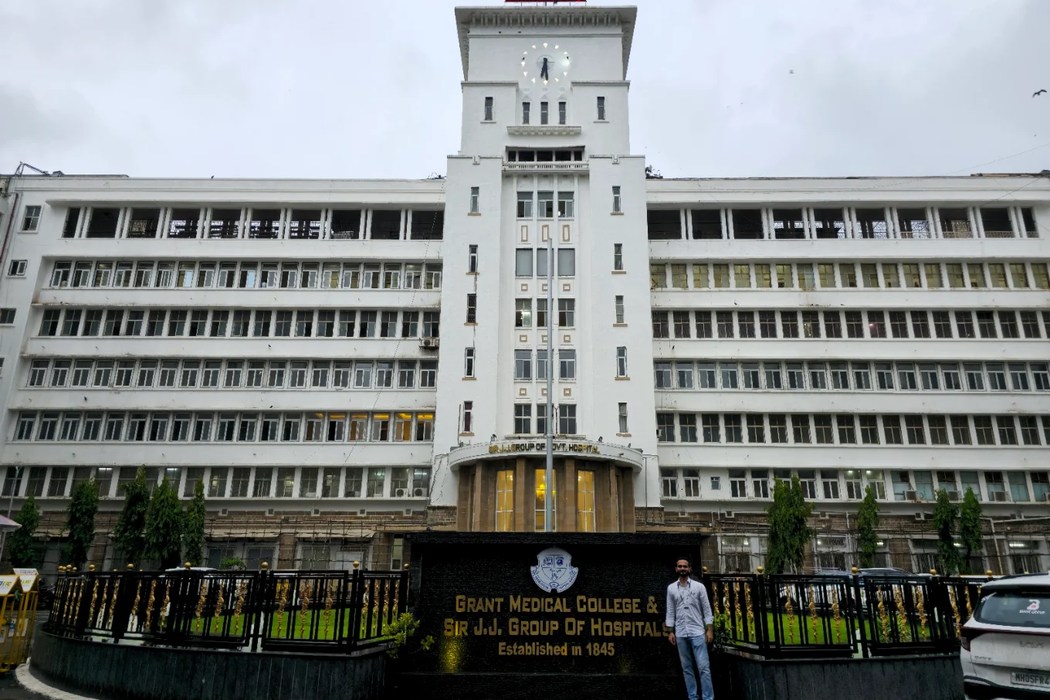
She joins the Grant Medical College and J.J. Group of Hospitals in Mumbai as an Assistant Professor, rising to Professor and Head of the department of ophthalmology.
Dr. Choksey comes to Kenya, joining Kenyatta National Hospital as an Eye Specialist in 1988 and the University of Nairobi as a lecturer in Surgery from 1989, teaching many of the ophthalmologists practicing today.
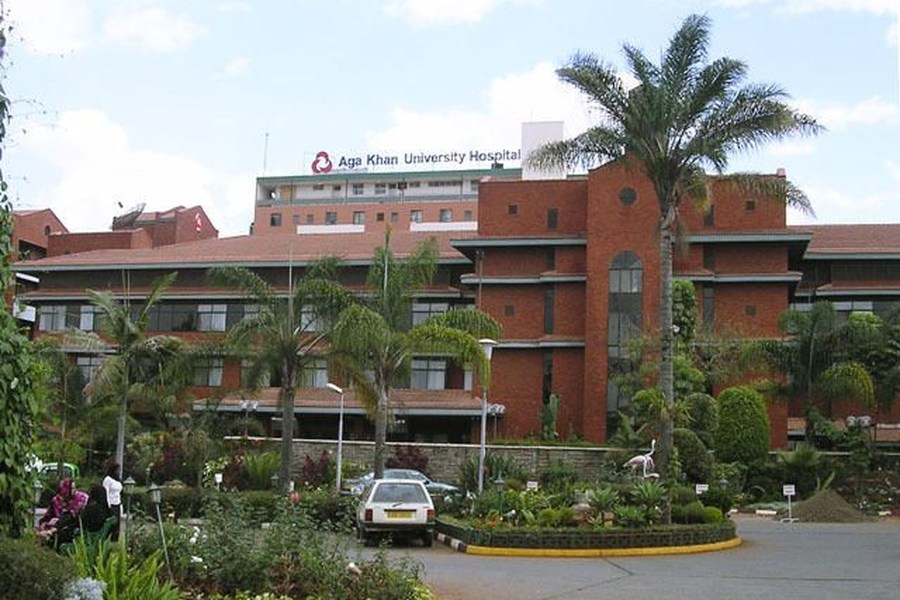
A consultant at the Aga Khan Hospital since 1990, she is instrumental in starting fluorescein angiography and laser treatment there.
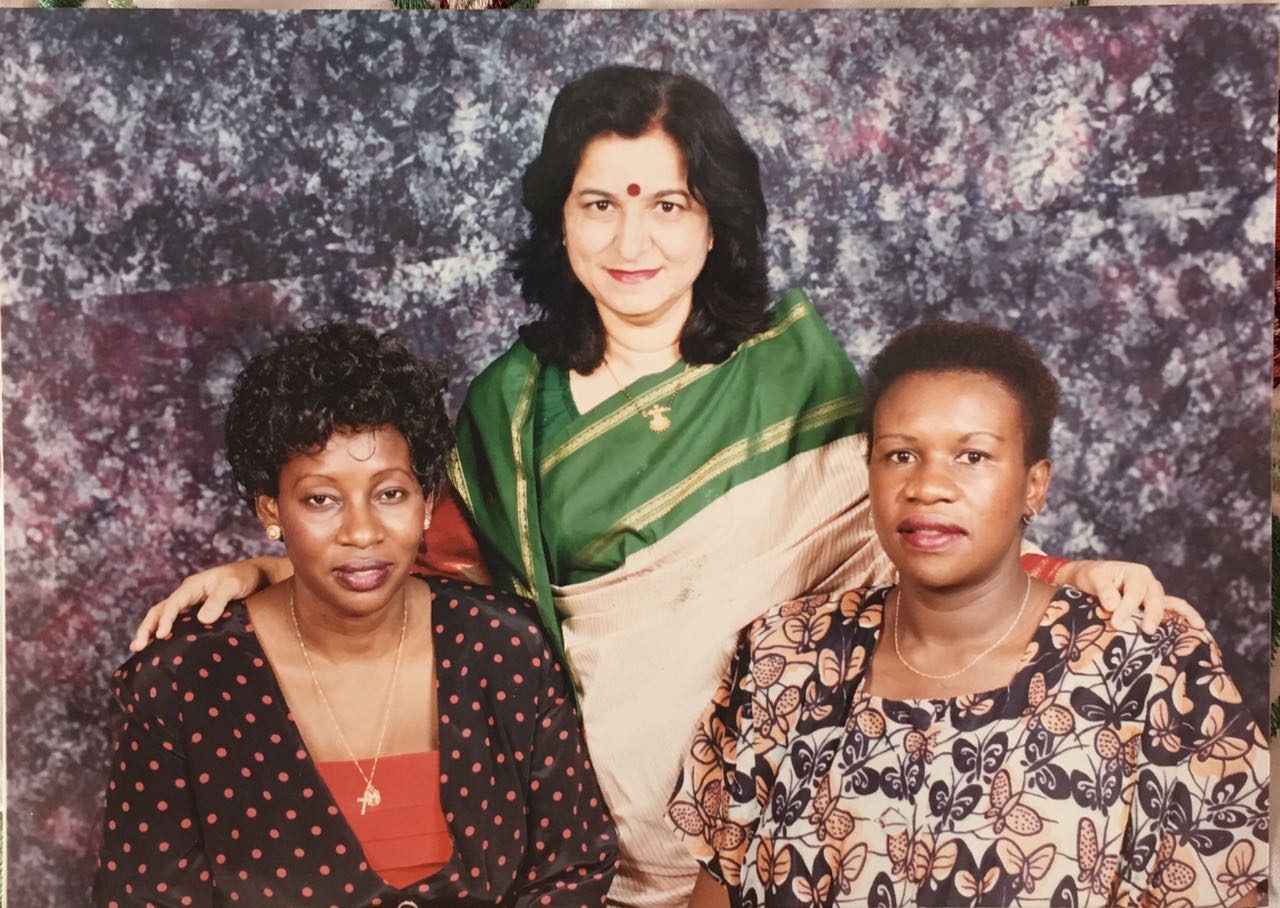
For the first time, three women are elected office bearers of the Ophthalmological Society of East Africa. Dr. Choksey serves as Treasurer and the first woman Editor-in-Chief of its journal.
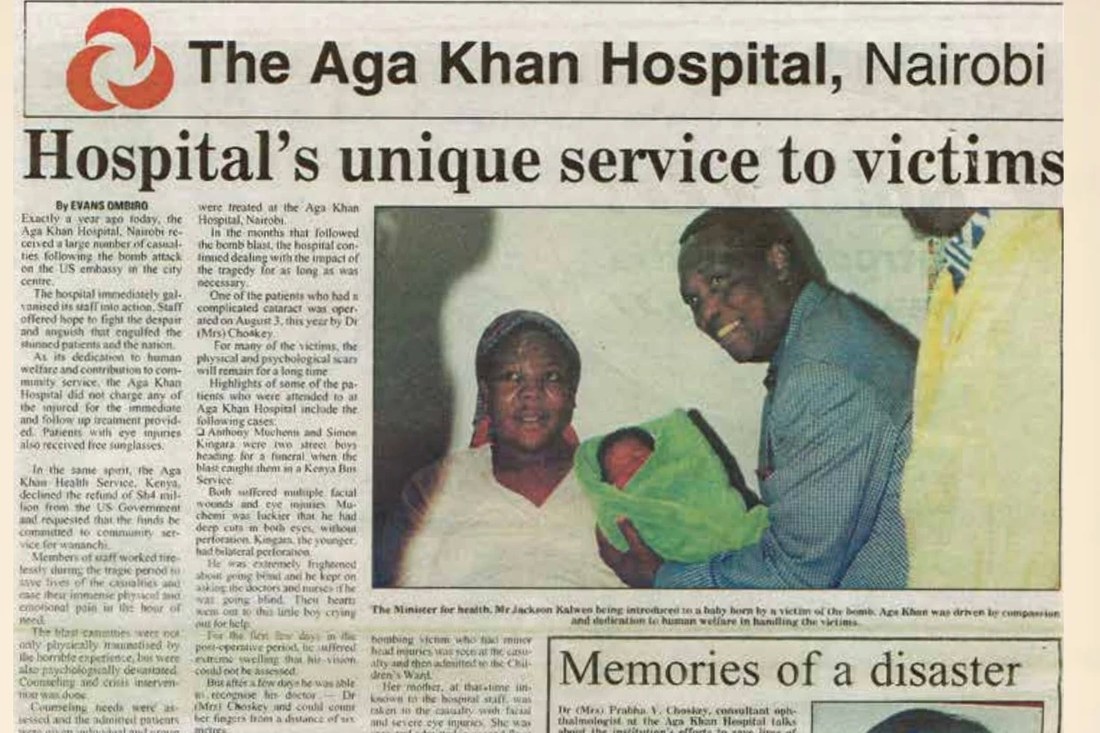
When the American embassy in Nairobi is bombed on August 7, she single-handedly manages every patient with ophthalmic injuries rushed to the Aga Khan Hospital — operating on more than 35 people in three days, 16 of them needing major eye surgery.
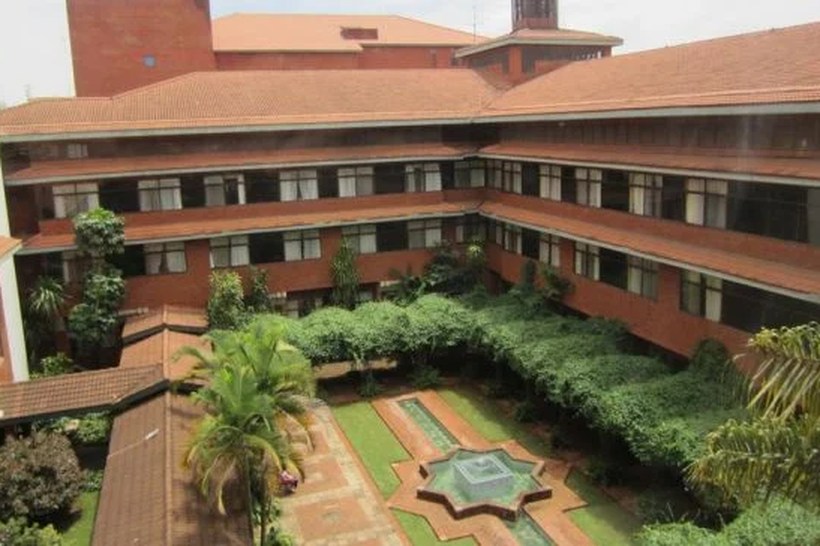
She is appointed Chairman of the Department of Surgery at the Aga Khan Hospital, Nairobi — a rare thing for a woman in Africa in those days. From 2002 she is in full-time private practice.
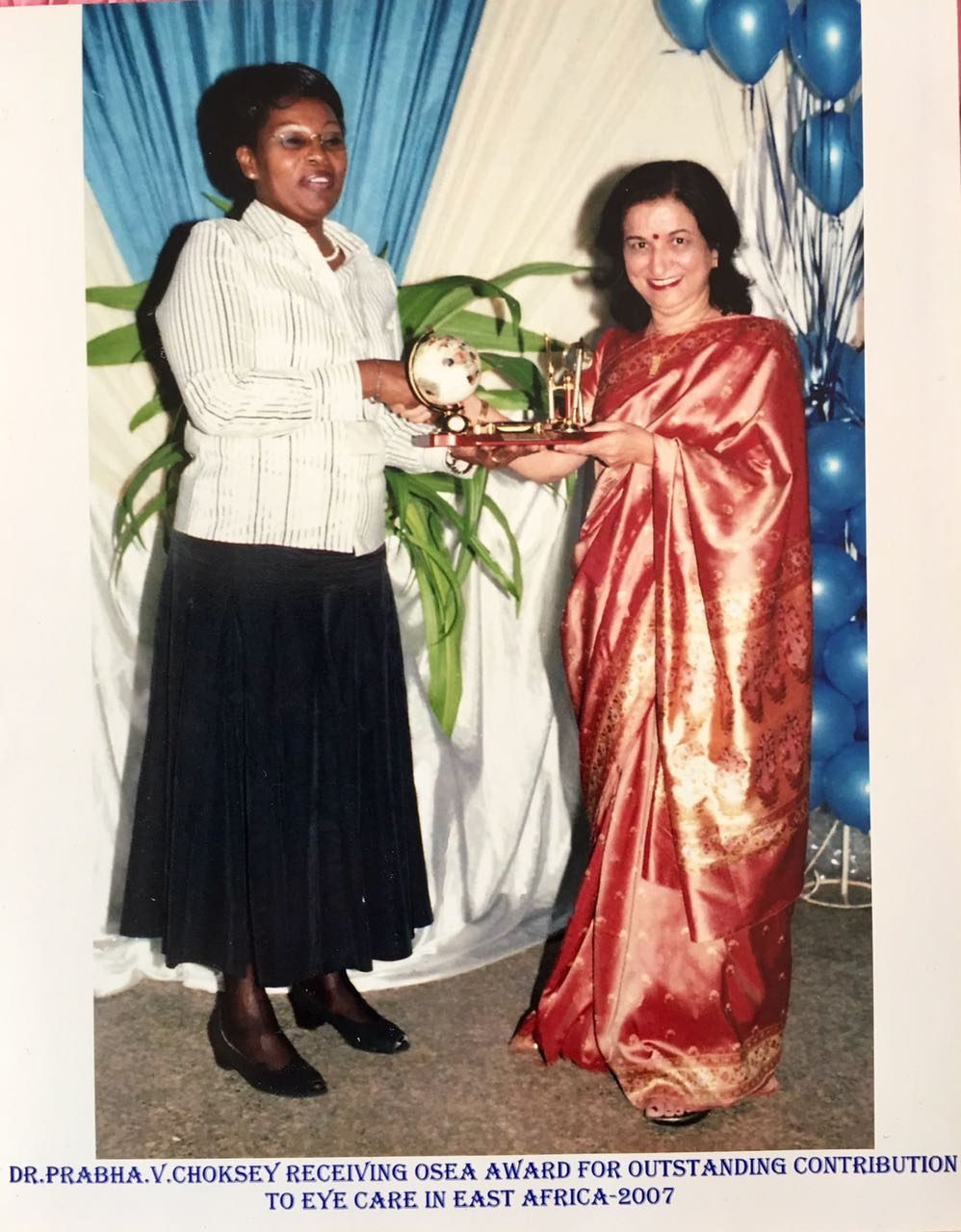
The Ophthalmological Society of East Africa presents its Award of Excellence for Outstanding Contribution to Eye Care in East Africa at Moshi, Tanzania. The same year she realizes the real challenge of albinism is the eyes, and begins providing free eye care and photochromatic glasses.
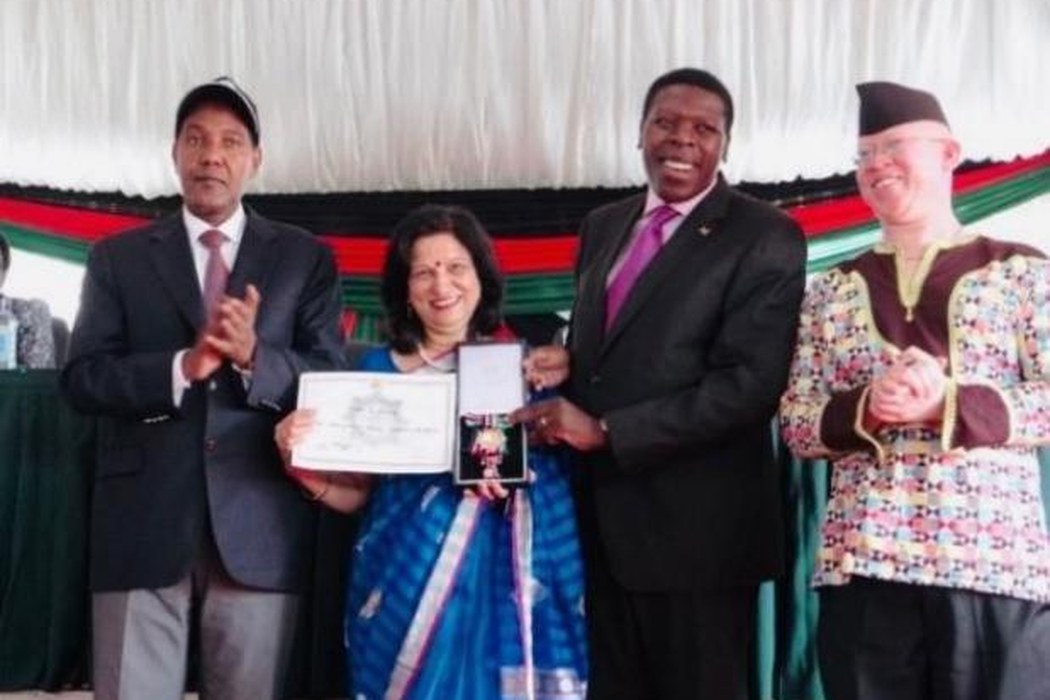
On Jamhuri Day, President Mwai Kibaki presents her with the M.B.S. in recognition of her service in ophthalmology and her work for children with albinism. The same year brings the Bharat Jyoti and Gem of India awards.
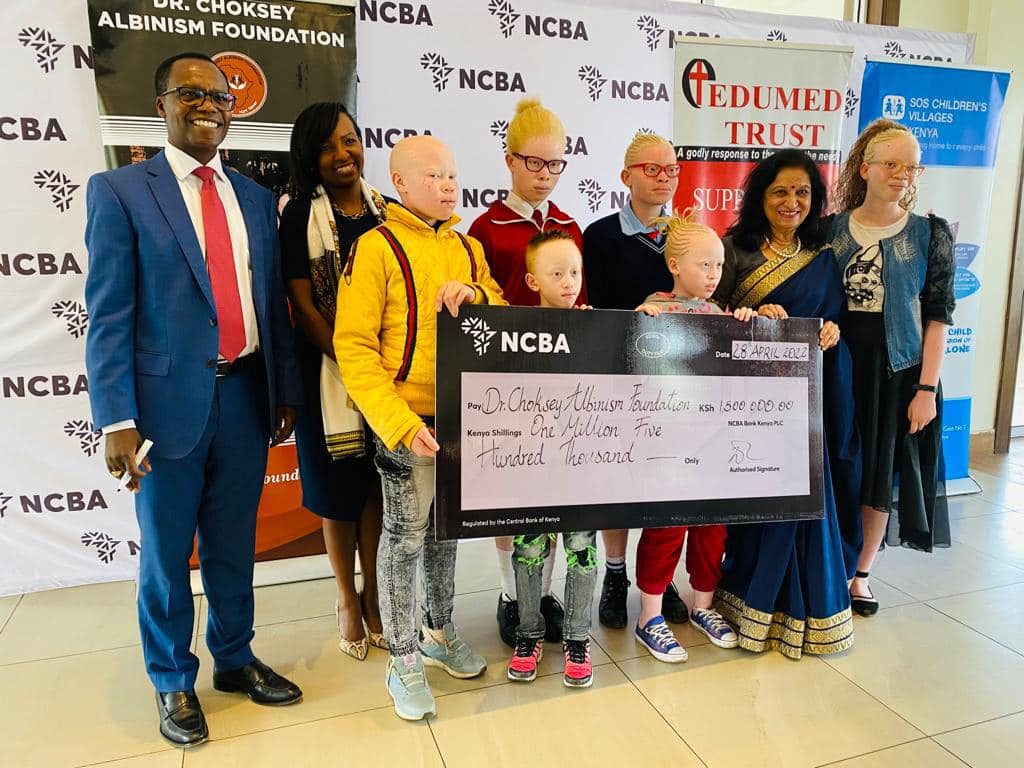
NCBA Bank’s educational support for children with albinism begins, a partnership that by 2026 helps keep 124 learners in school.
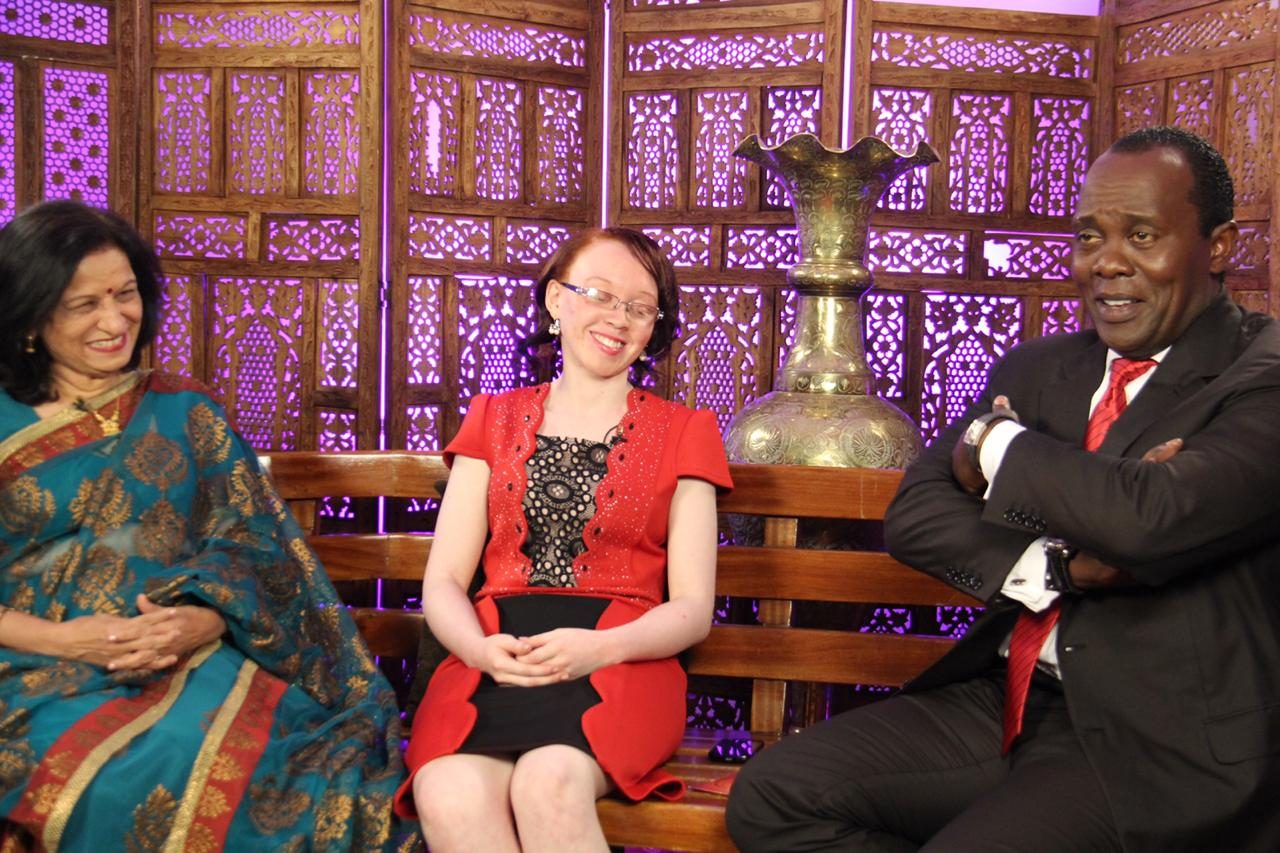
Dr. Choksey is featured on NTV’s “The Power of a Woman,” and beneficiary Grace Nzomo speaks on national television about coping with albinism.
Awarded Under the Same Sun’s 2016–2017 Bari Bari Prize for outstanding albinism advocacy worldwide, named for the UN ambassador who fought for the rights of people with albinism. The same year, Goldalyn Kakuya Tanga tops Kenya’s KCPE.
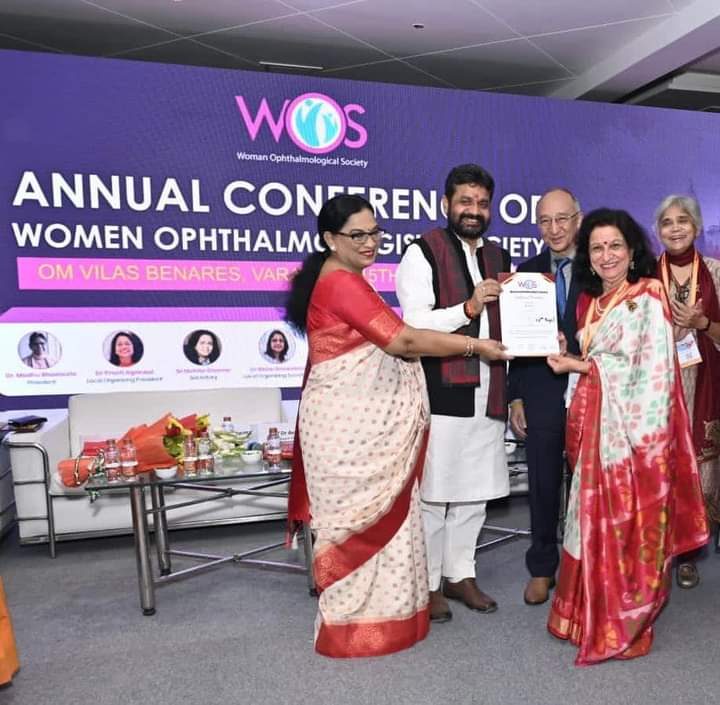
The Ophthalmological Society of Kenya gives her its Lifetime Achievement Award at Mombasa, the foundation launches its website, and her paper on albinism is judged best at the Women Ophthalmologists Society conference in Varanasi.
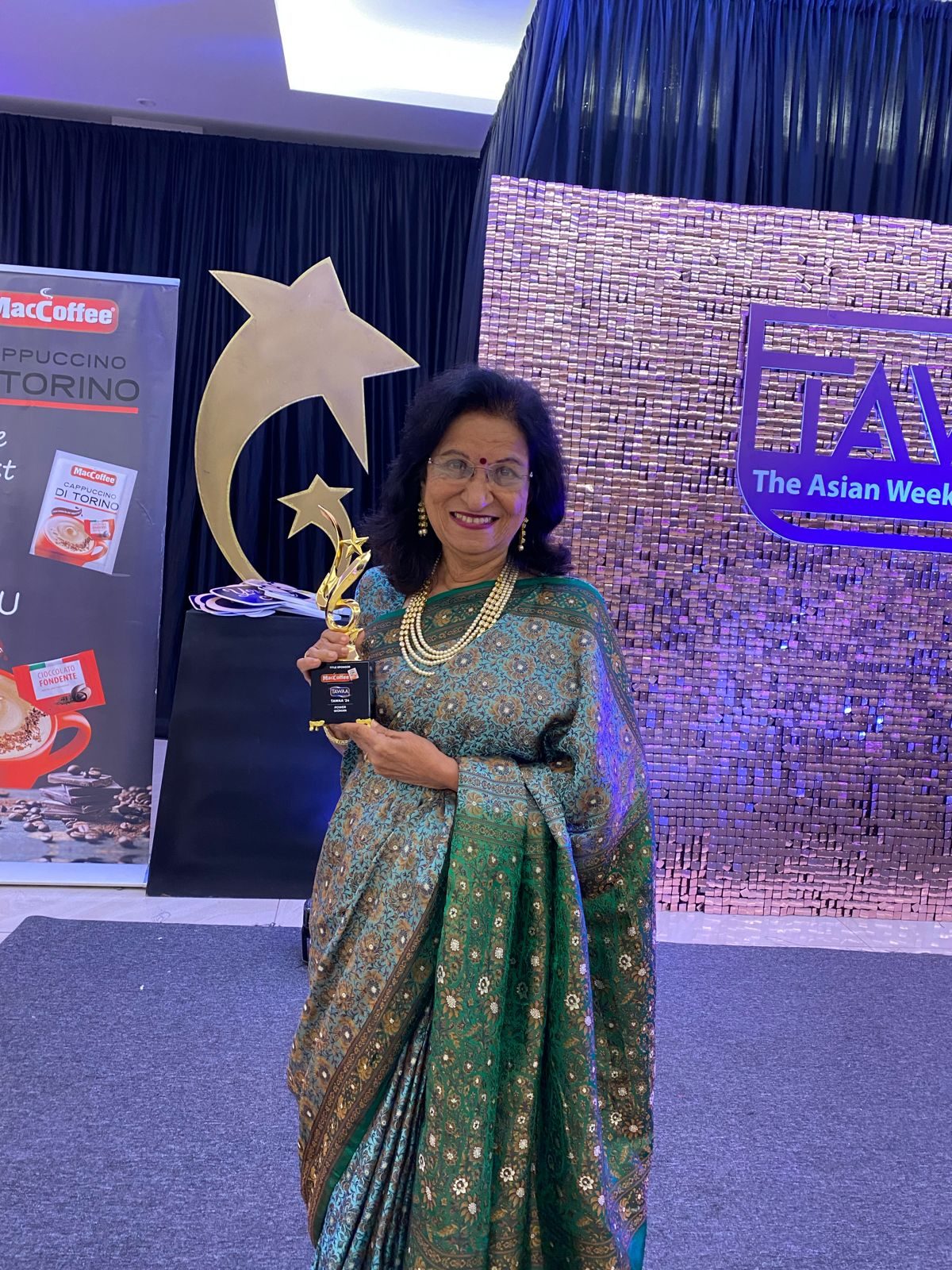
Dr. Choksey receives the Power Woman Award from The Asian Weekly and judges IAPB’s global “Glasses of the Future” competition. At the Luminary Awards the foundation is named best organization advocating for the rights of persons with albinism in Kenya.
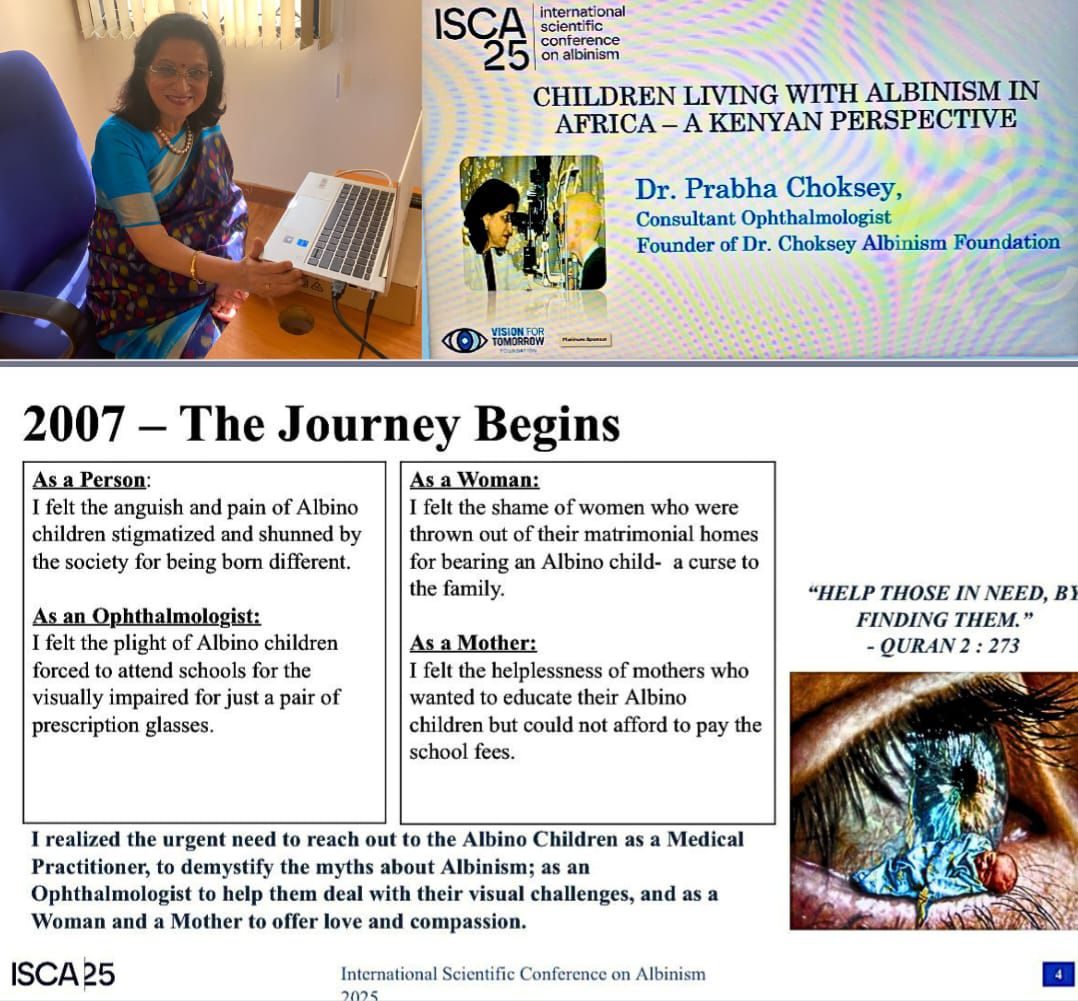
She presents “Children Living with Albinism in Africa: A Kenyan Perspective” at the International Scientific Conference on Albinism, and in December the Kenya Association of Women Surgeons names her Pioneer Female Ophthalmologist — Kenya.
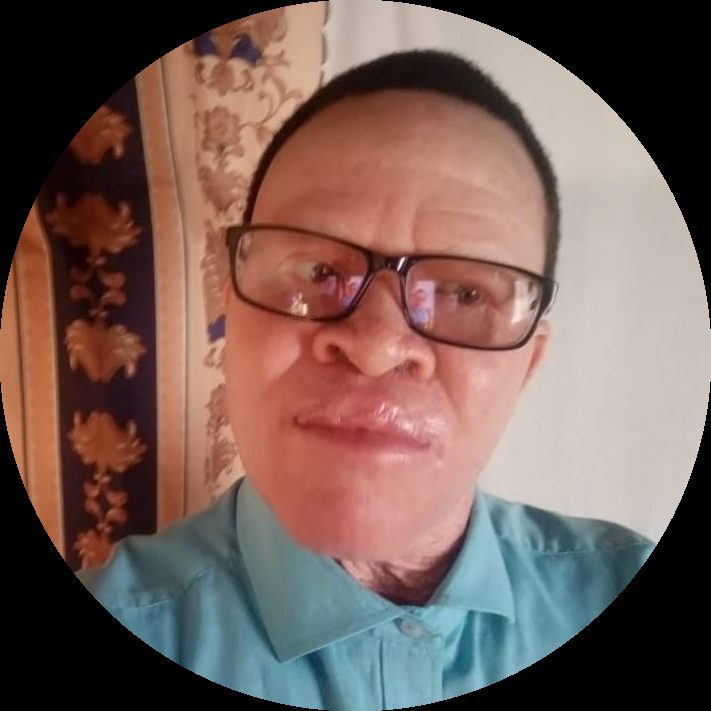
“Dr. Choksey, our mother of people with albinism, has really made our life better: sunglasses, sunscreen lotions, and school fees for those who cannot afford them. Every Tuesday she spends her time attending to people with albinism.”Samson, among the foundation’s first beneficiaries
Recognition for a life spent restoring sight and dignity, from Aurangabad to Nairobi — 22 awards in all.
Awarded by the President of India for standing first among women in the M.B.B.S. examination at her university in Aurangabad.
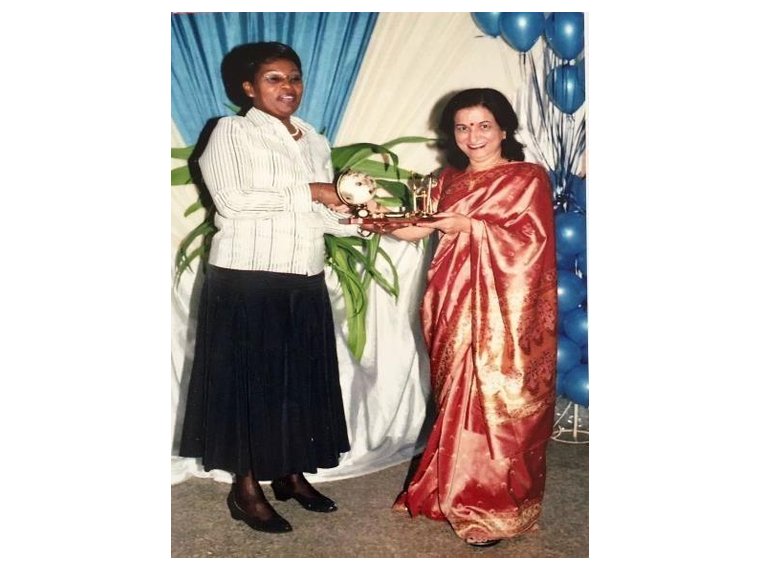
Ophthalmological Society of East Africa, for outstanding contribution to eye care in East Africa. Moshi, Tanzania, August 2007.
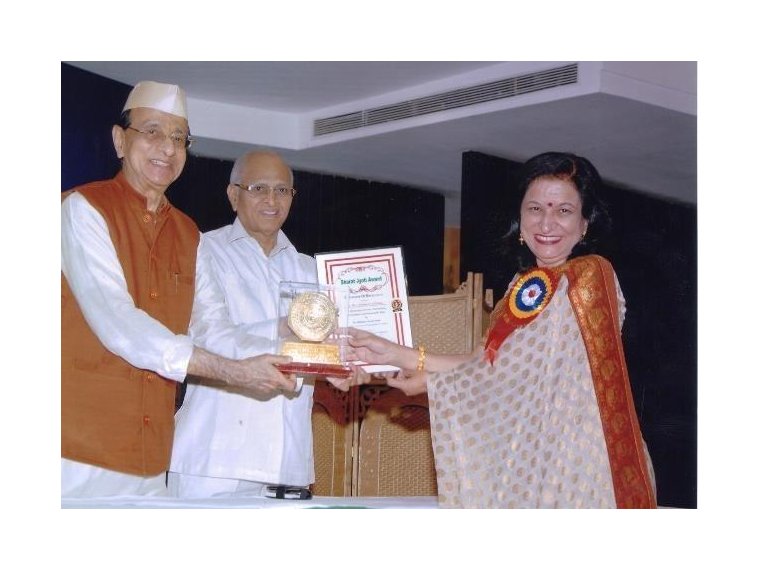
India International Friendship Society, with a Certificate of Excellence for meritorious service. New Delhi, March 27, 2012.
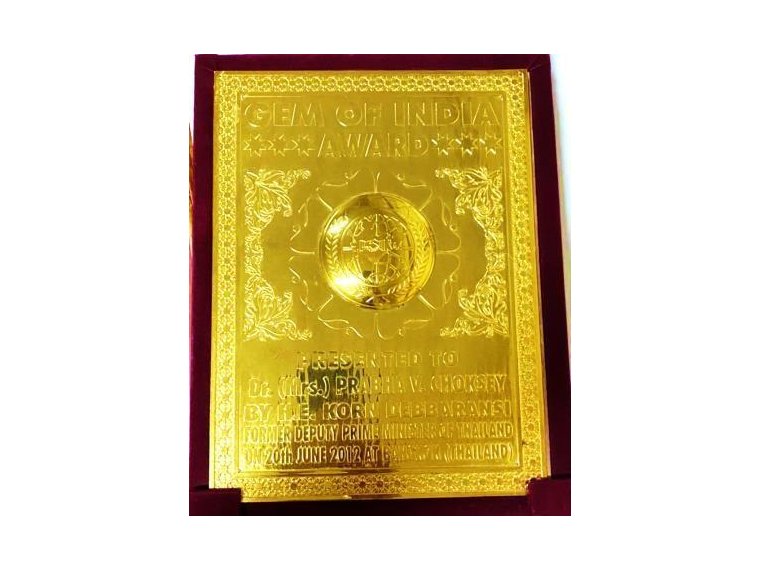
India International Friendship Society, for individual excellence and contribution to the progress of the nation. Bangkok, June 20, 2012.
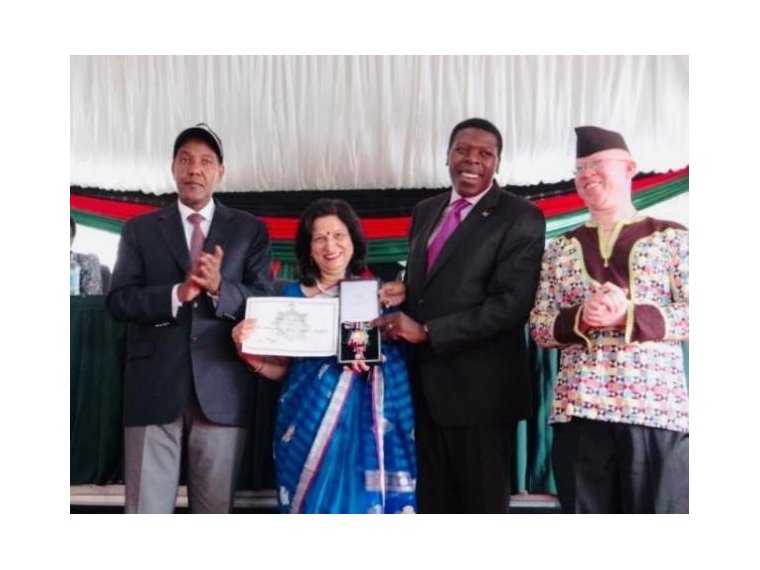
Presented by H.E. President Mwai Kibaki for distinguished service in ophthalmology and her commitment to children with albinism. December 12, 2012.
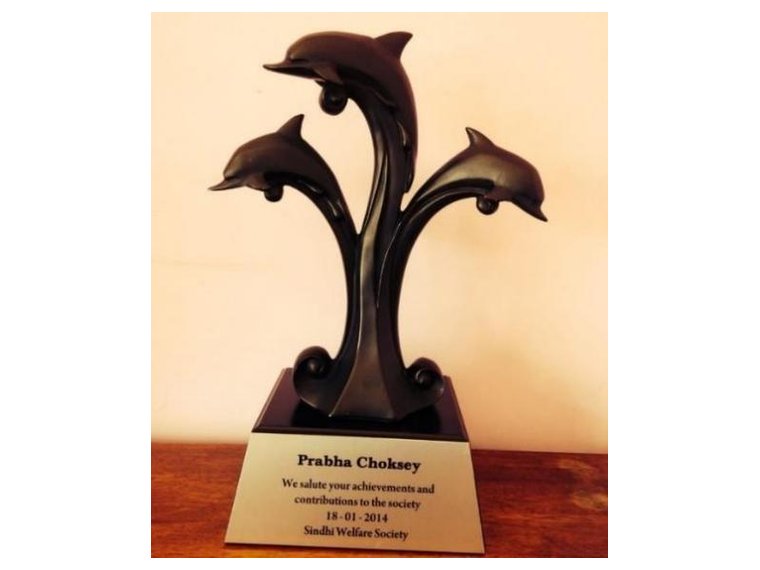
For her work uplifting the downtrodden in Kenyan society. January 14, 2014.
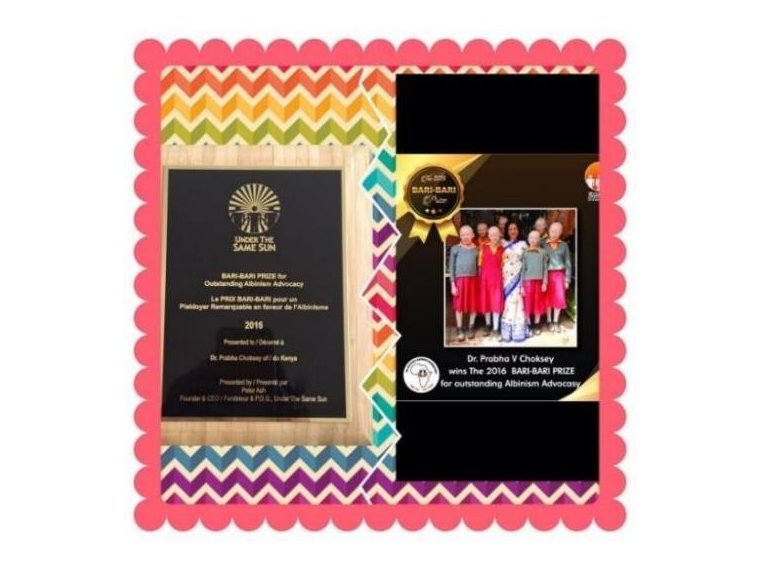
Under the Same Sun’s 2016–2017 prize for outstanding albinism advocacy worldwide, named for UN Ambassador Yusuf Mohamed Ismail Bari Bari.
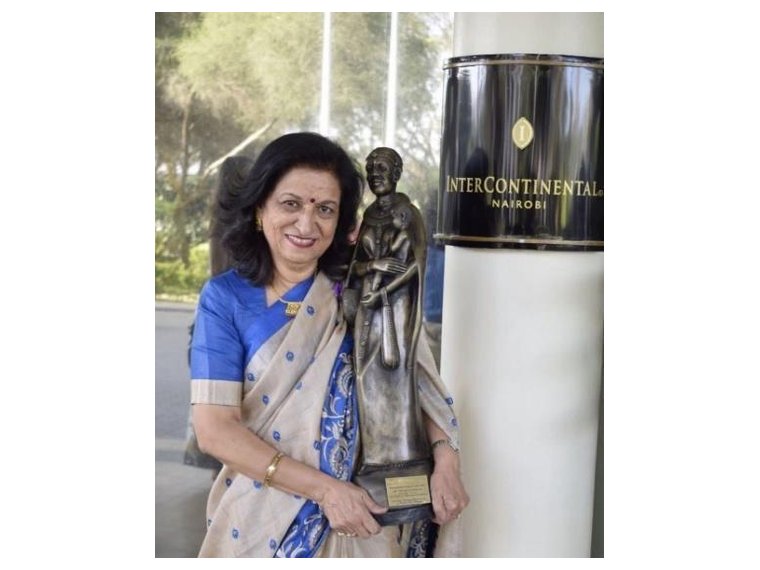
Kenya Women and Children Wellness Centre, given on International Women’s Day for service to people living with albinism. March 8, 2017.
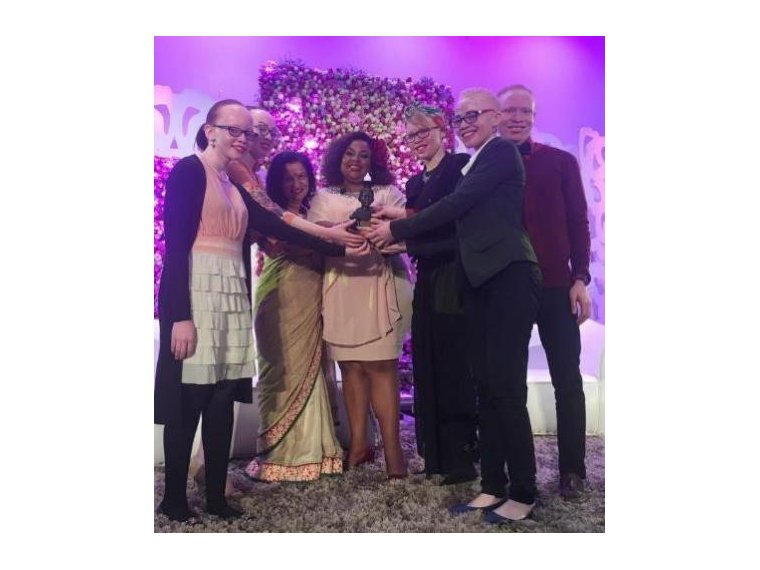
For a woman who has helped uplift others and enabled them to make a difference. Nairobi, March 17, 2018.
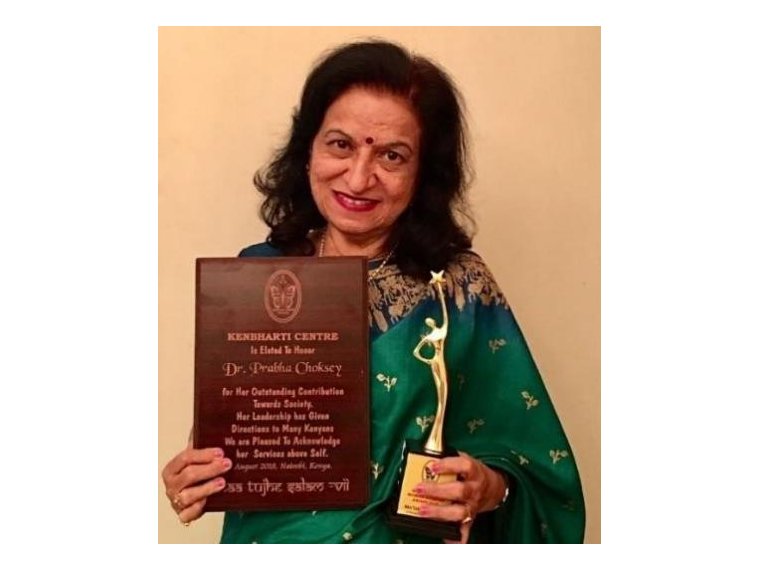
For outstanding contribution toward society and service above self. August 11, 2018.
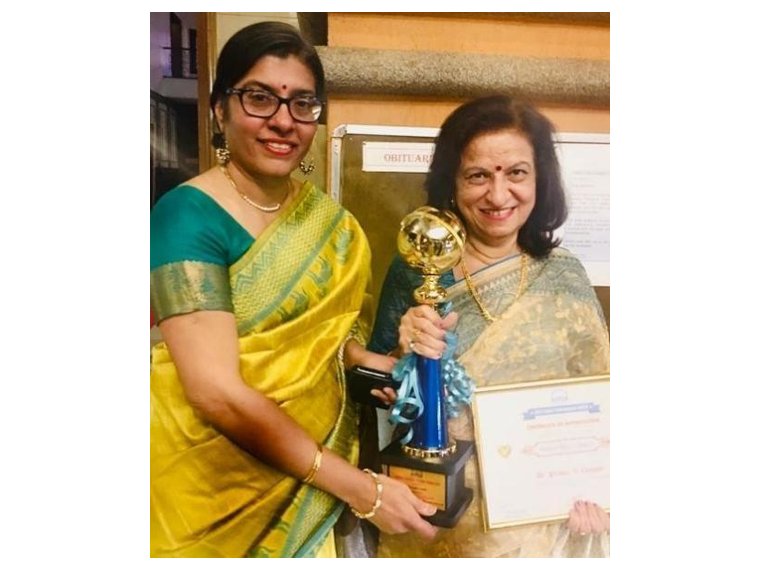
Shree Navnat Vanik Mahajan, for meritorious service to the less privileged. September 1, 2018.
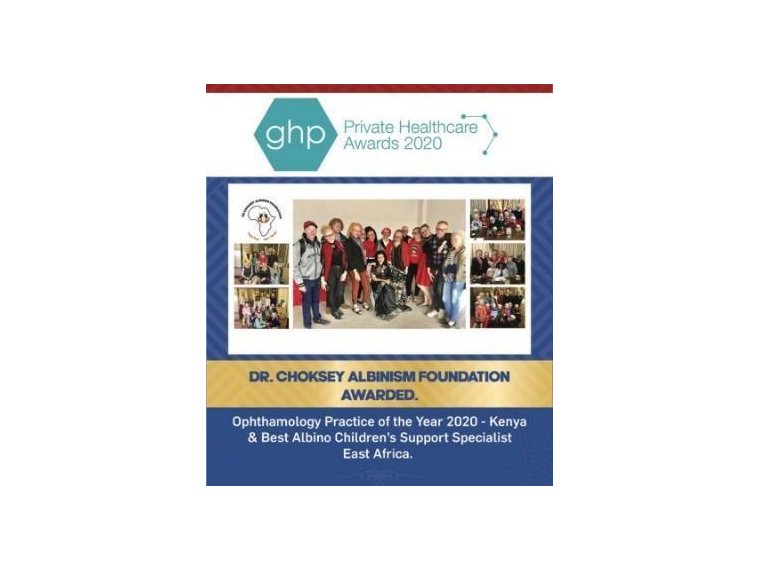
GHP Global Health and Pharma, together with Best Albino Support Specialist — East Africa. June 2020.
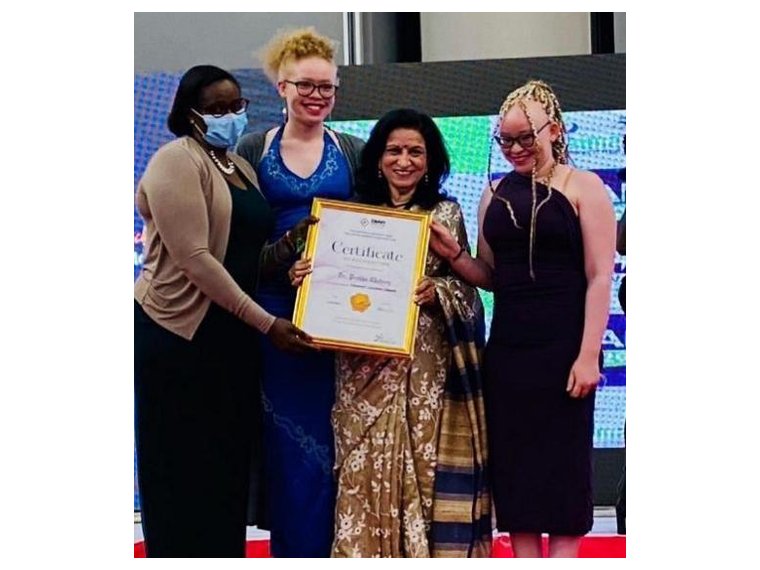
National Diversity and Inclusion Awards, Diama Trust. Presented March 12, 2021.
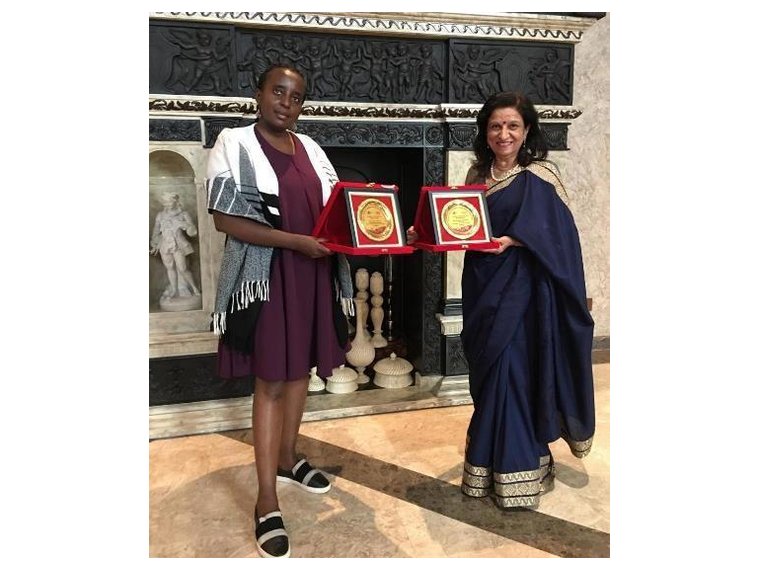
Women Ophthalmologists Worldwide, at the global conclave with the Women Ophthalmology Society of India. Noida, November 2022.
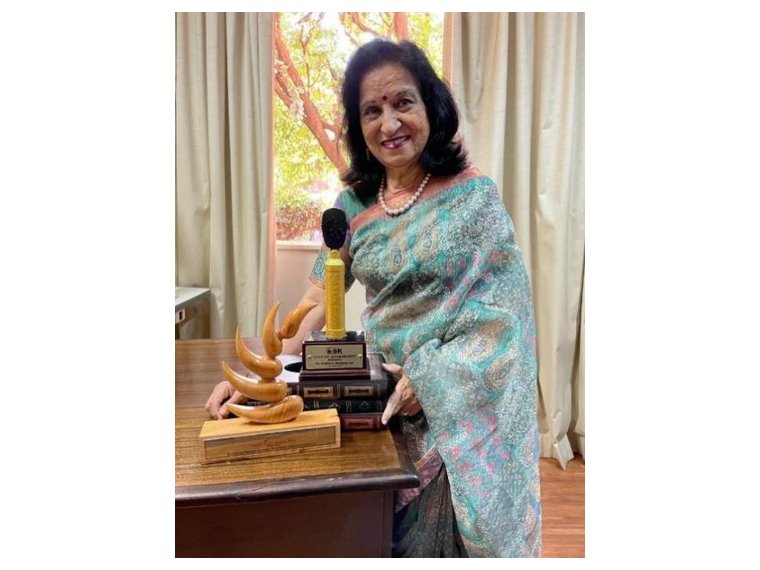
Ophthalmological Society of Kenya. Mombasa, August 24, 2023.
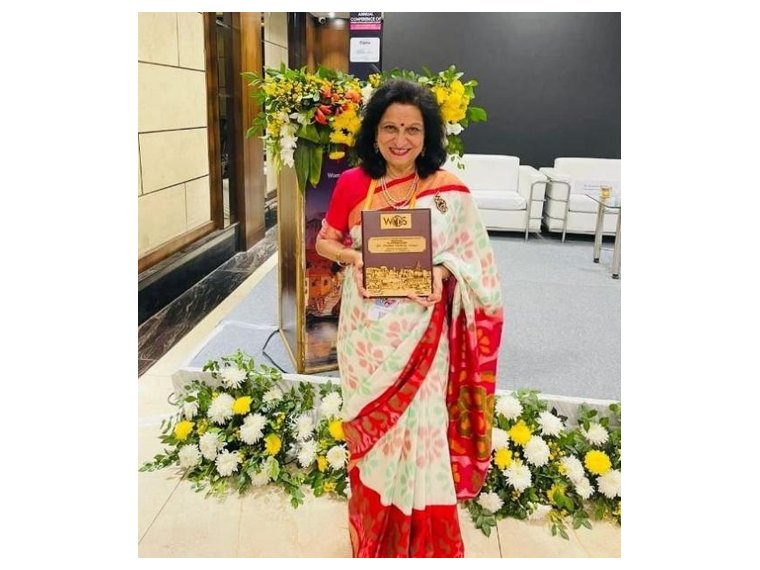
Women Ophthalmologists Society of India, with the award for best paper presented at the conference. Varanasi, December 16, 2023.
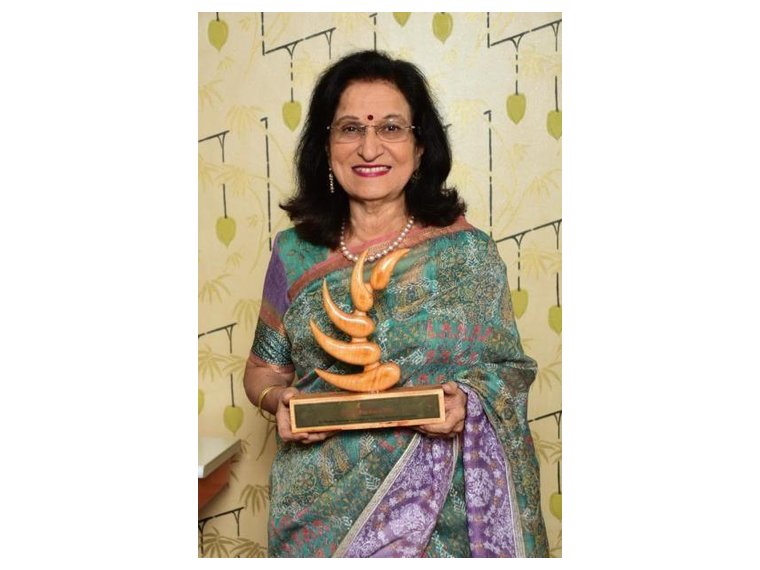
Kanthari, a flagship program of Braille Without Borders, for outstanding contribution to the cause of albinism in Africa. Kerala, December 2023.
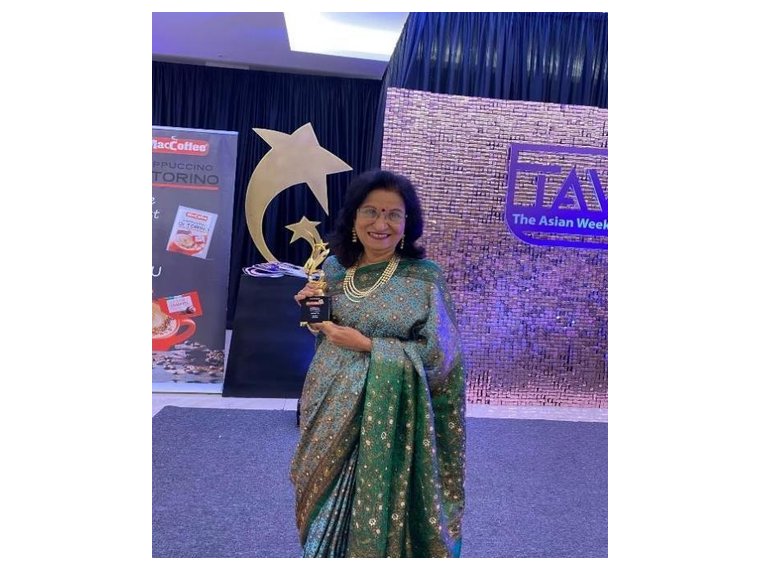
The Asian Weekly Achievers Awards, for contribution to society by an Asian woman in Kenya. March 9, 2024.
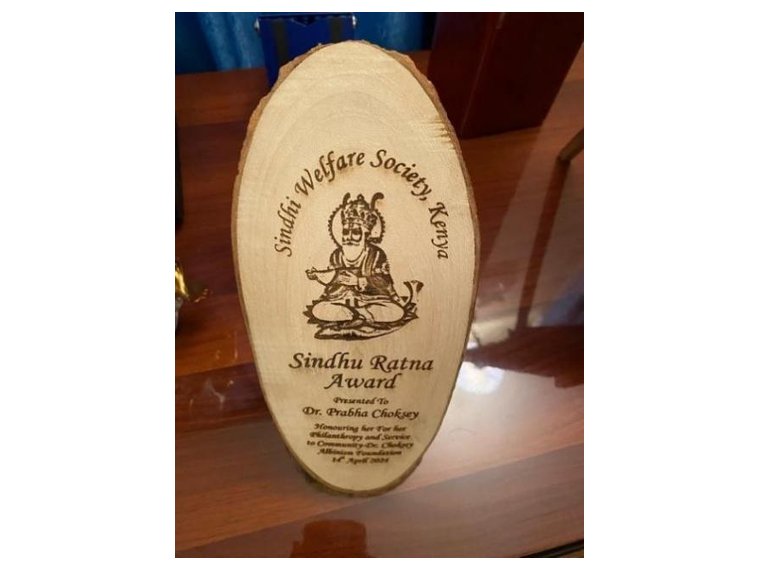
Sindhi Welfare Society of Kenya, during Cheti Chand celebrations. Nairobi, April 14, 2024.
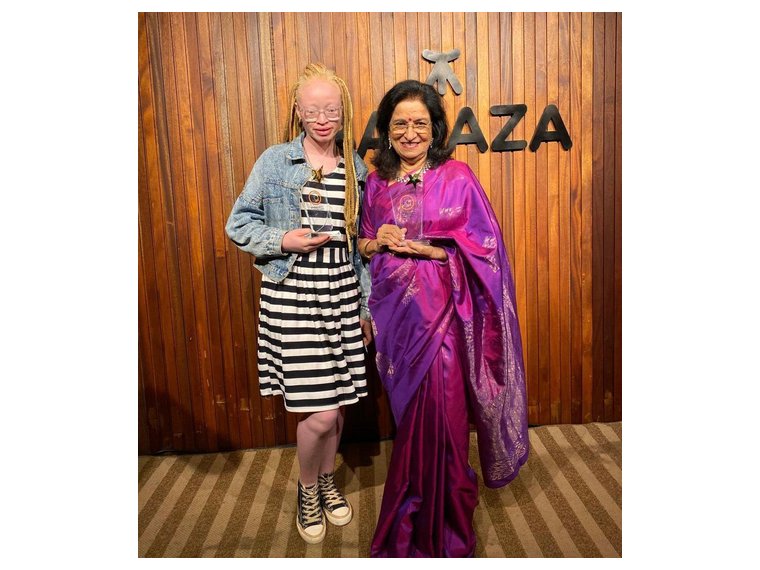
Film Festival and Luminary Awards, where the foundation was also named best organization advocating for the rights of persons with albinism in Kenya. June 14, 2024.
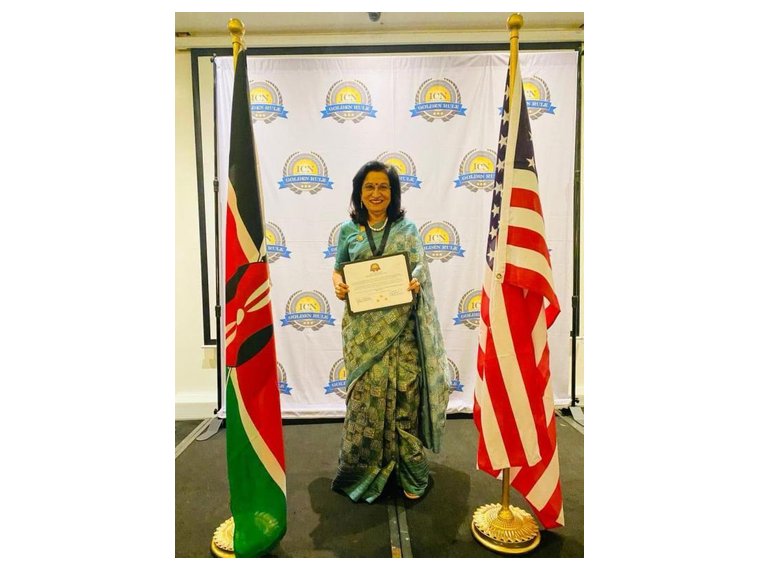
IChangeNations’ Susan Maxine Gibson Regional Messenger of Hope Award and the Reuben M. West Voice of Change Medal. July 18, 2024.
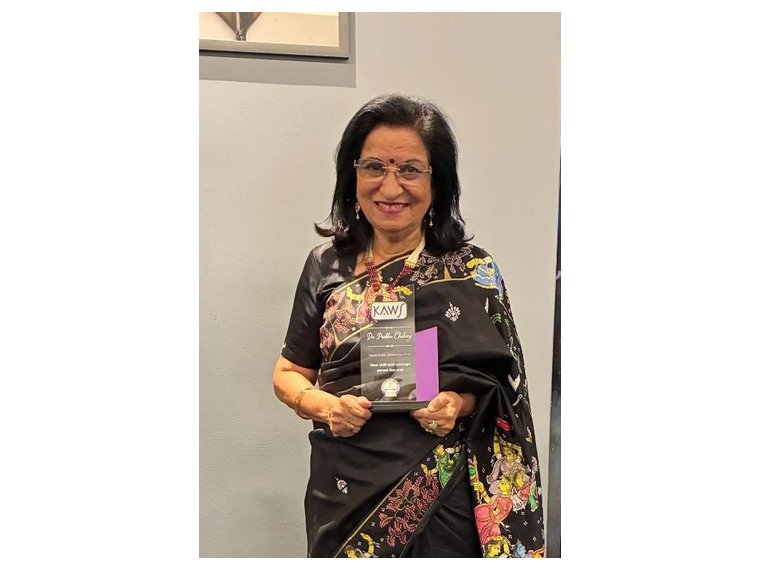
Kenya Association of Women Surgeons. December 11, 2025.
Brand ambassador
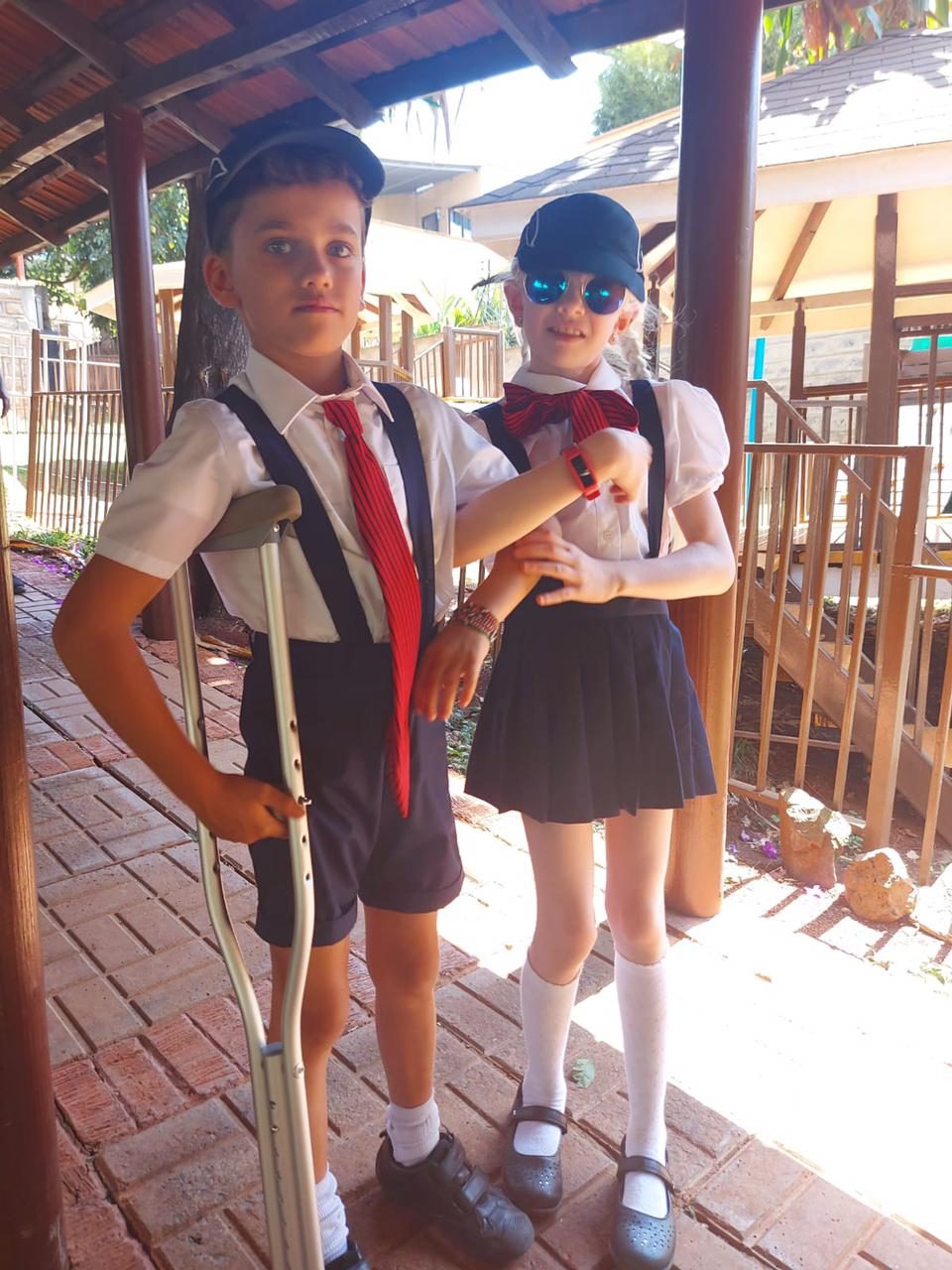
Syna Shah, a child with albinism, is the brand ambassador of the Dr. Choksey Albinism Foundation. Her first original song, “Hum Hain Friends Forever” (We Are Friends Forever), celebrates her friendship with a child with a disability, a joyful reminder that true friendship sees beyond difference.
Support the initiativeDecades of eye care and education for people with albinism in Kenya, and 1,000+ people examined free of charge.
Goldalyn, a beneficiary of the foundation since 2015, topped the 2017 Kenya Certificate of Primary Education ahead of 993,718 candidates, proving that disability is never inability.
Ophthalmologists play a major role in the lives of persons with albinism, starting with replacing myths with medical facts.