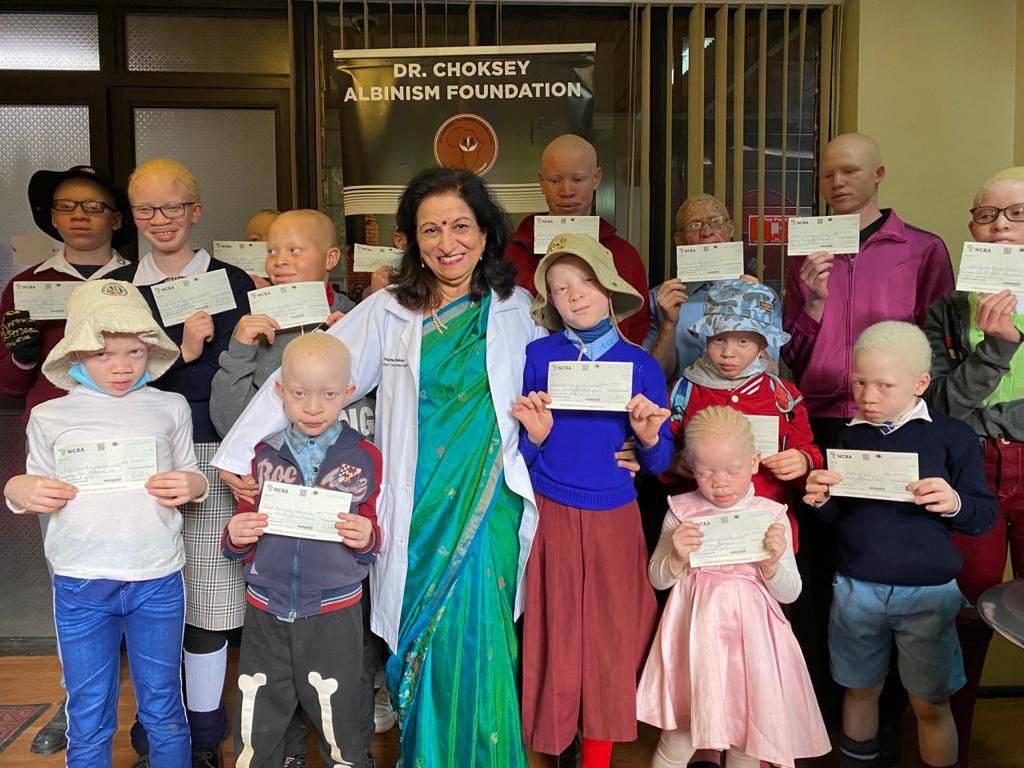
Our focus
There is a strong link between a child’s sight and their learning, their performance in school, and their education.
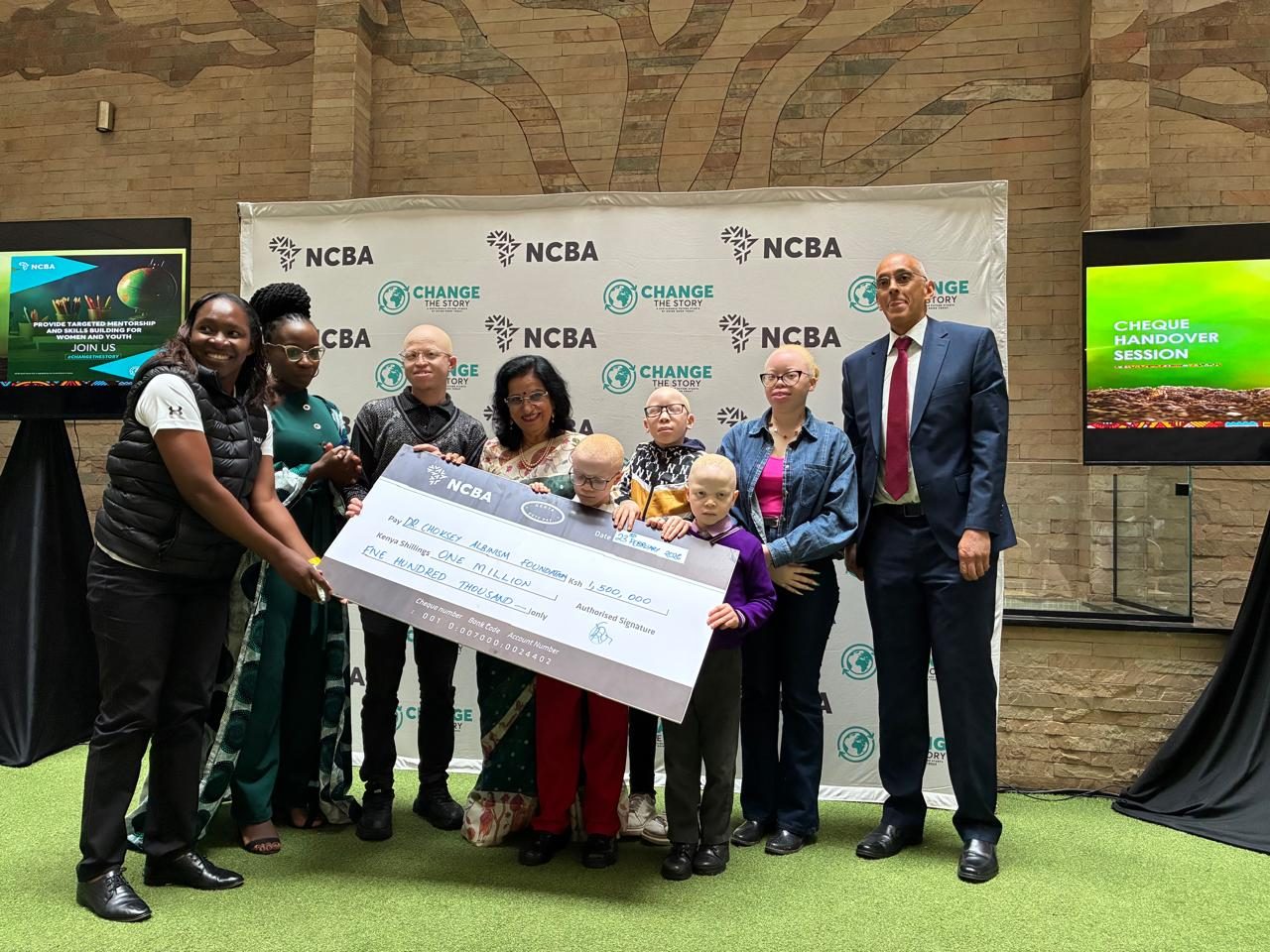
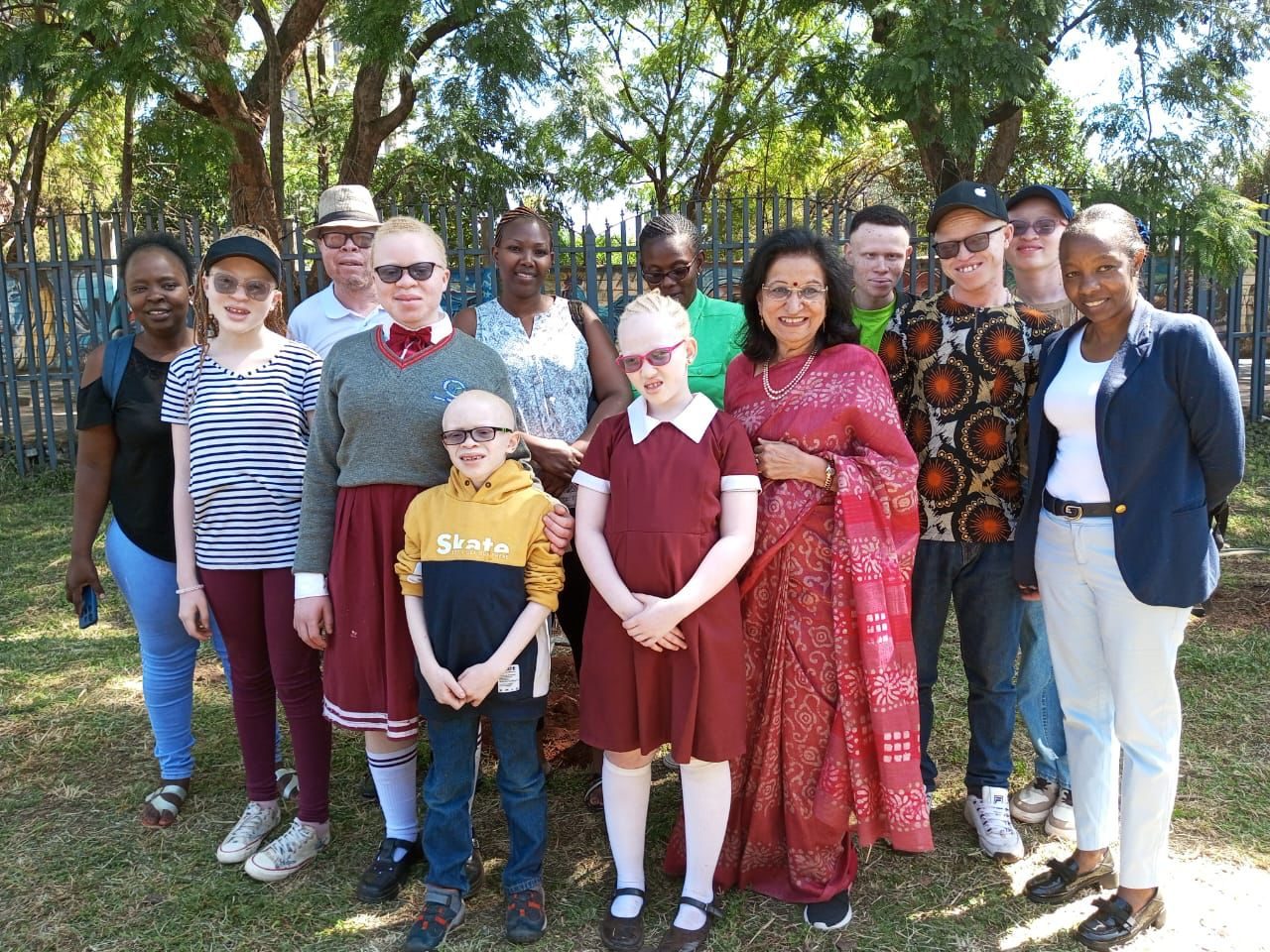
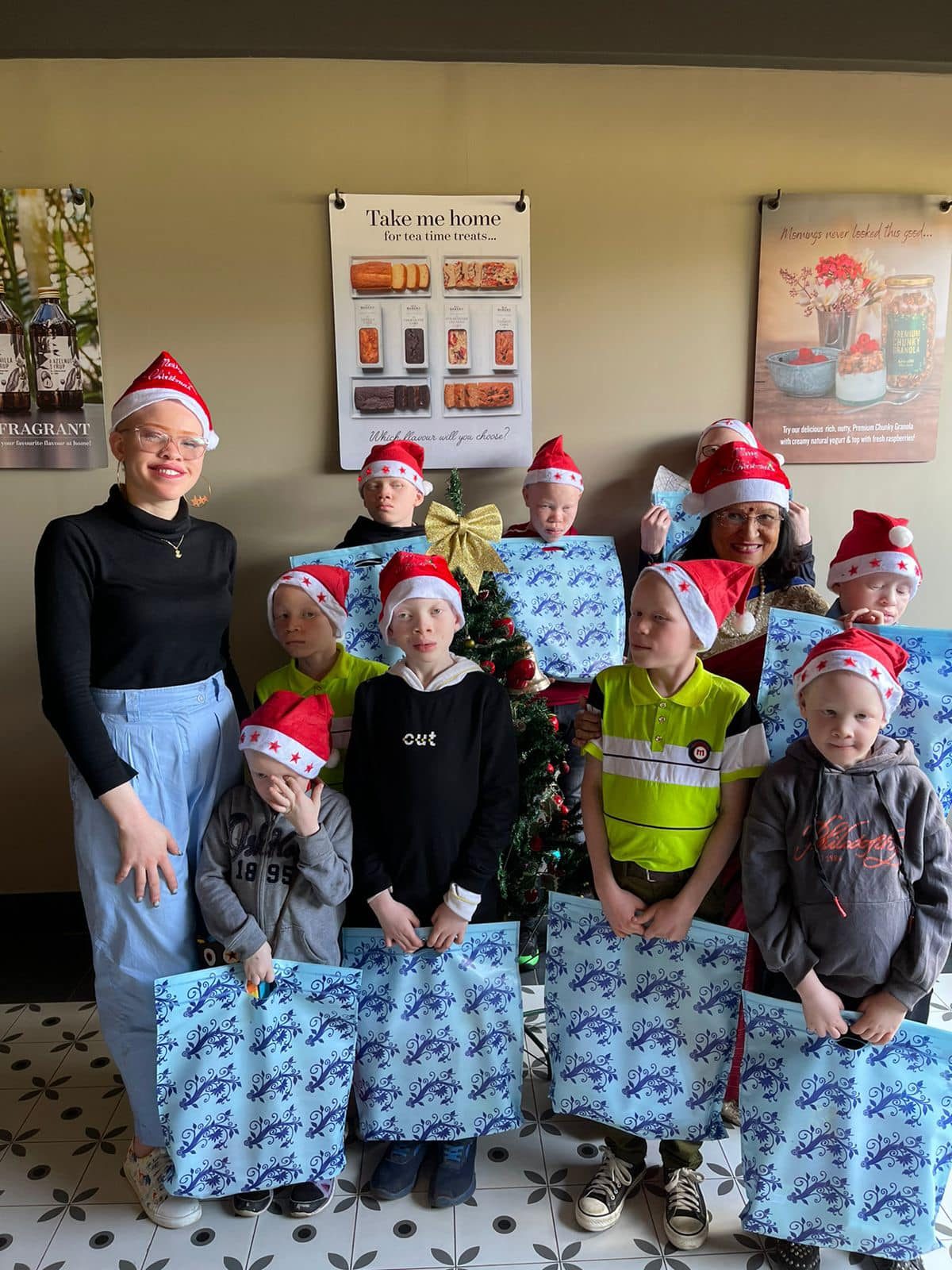
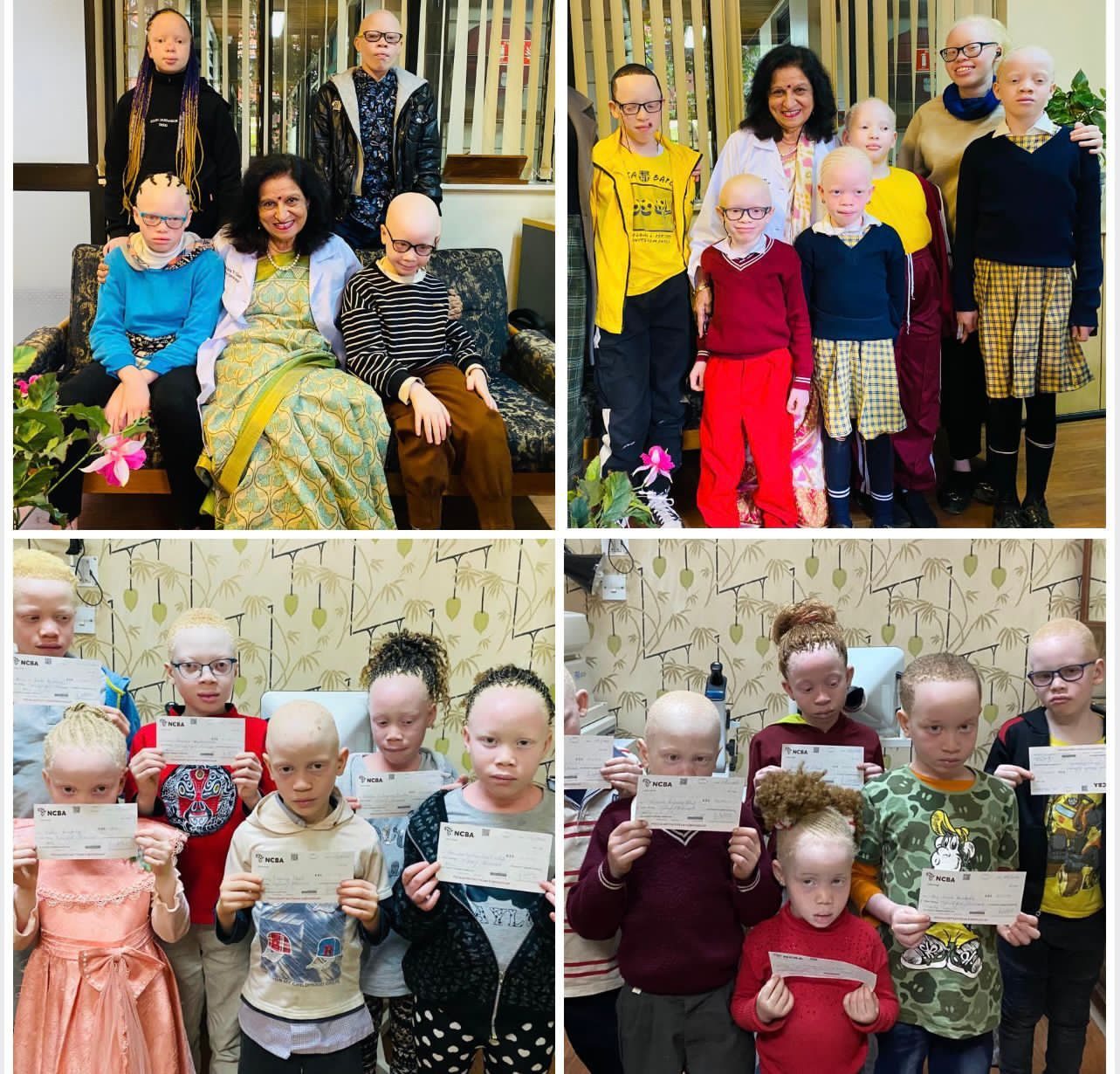
That is why our work begins with the eyes and continues into the classroom. With our partners NCBA Bank, 3Z Foundation, M-Pesa Foundation Academy and others, we give the Gift of Sight, the Gift of Education, and Wings to Fly to children with albinism who are orphans or come from extremely poor backgrounds in Kenya.
The urgency is not ours alone to claim. The United Nations reports that in some countries a majority of persons with albinism die of skin cancer between the ages of 30 and 40 — from a cause that sunscreen, protective clothing and a routine skin check can prevent. The same lack of melanin leaves most with permanent visual impairment. Sight, sunscreen and school fees are not charity; they are the difference between a short life and a full one.
Albinism in focus
Understanding albinismAlbinism occurs in every country and every ethnic group on earth. What differs is how common it is — and how dangerous it is to live with.
Prevalence figures: United Nations and the Office of the High Commissioner for Human Rights. Estimates vary by country and study.
Programs
Hover or tap a program to learn more.
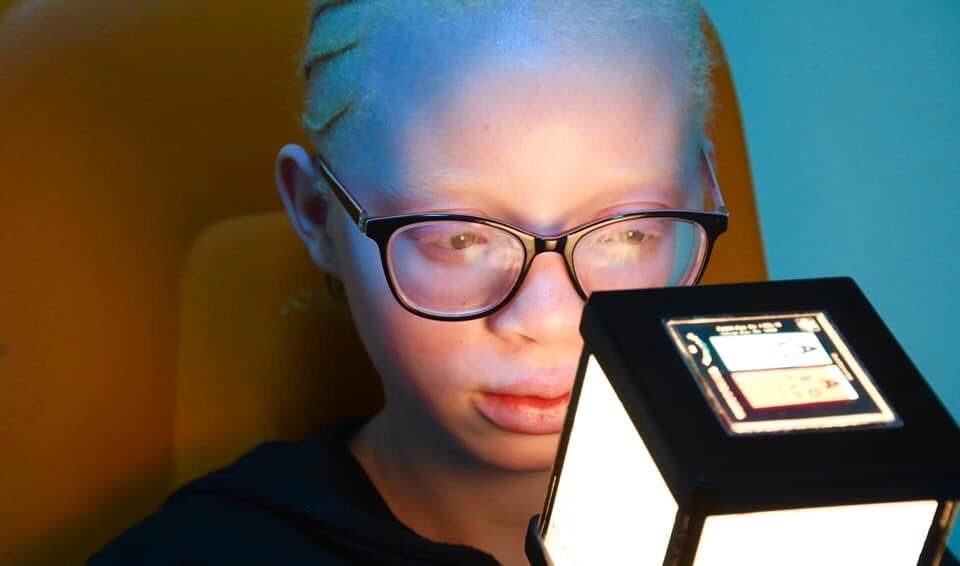
Eye care
Free ophthalmic services and prescription photochromatic glasses to improve sight and quality of life.
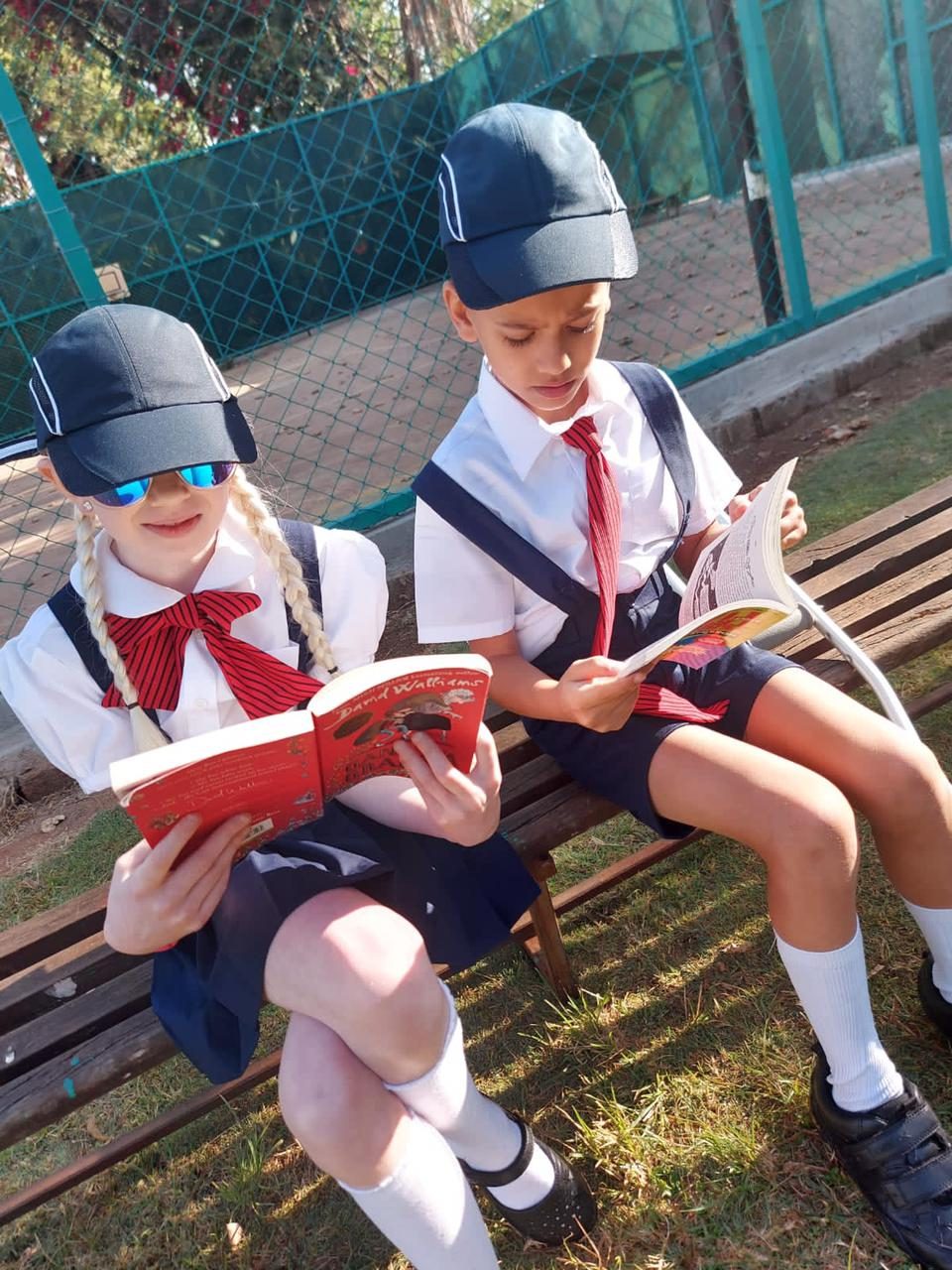
Education support
School sponsorships for children with albinism from disadvantaged backgrounds across Kenya.
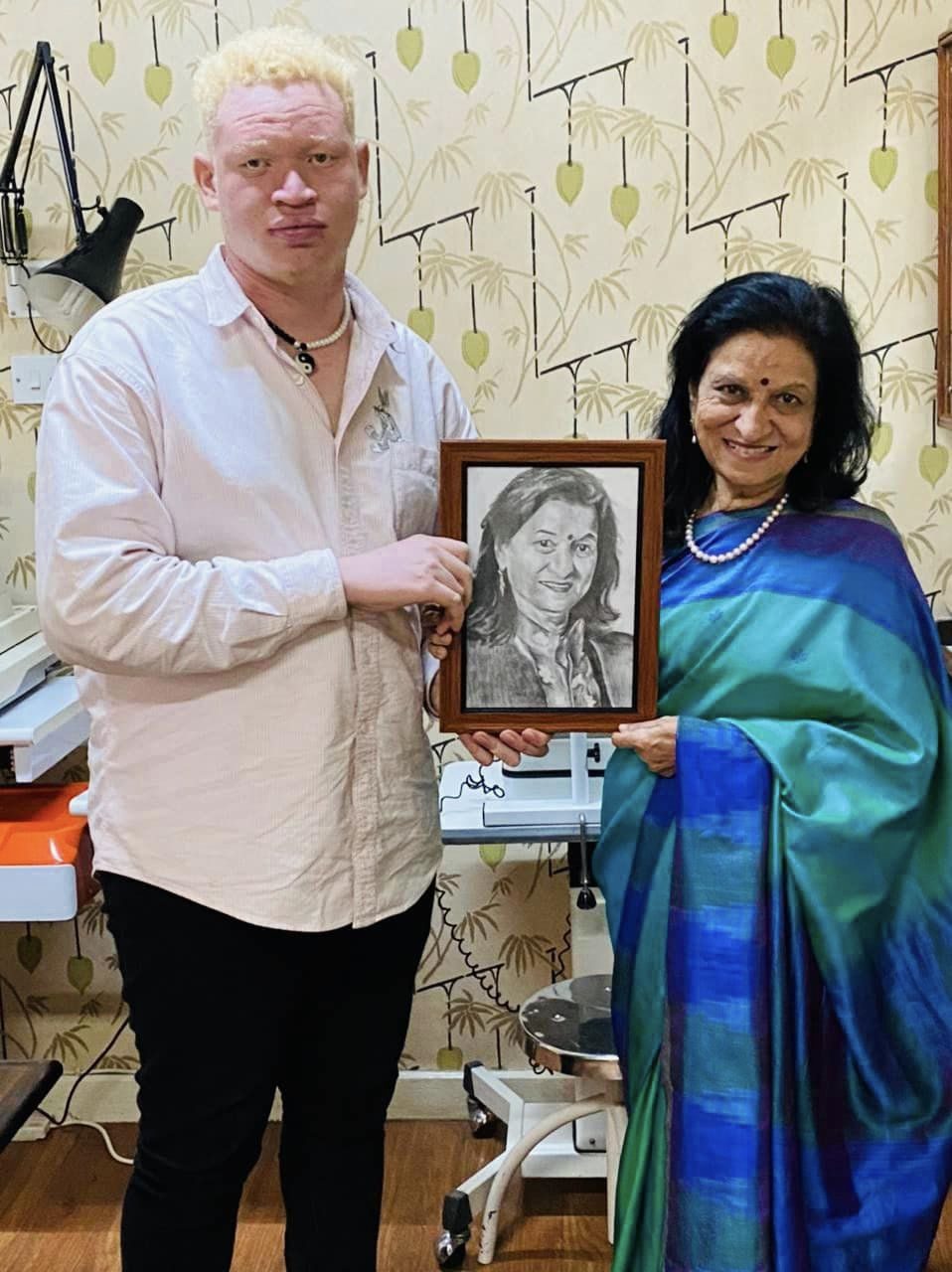
Mentorship
A holistic, skill-oriented program that shapes learners with albinism into good role models.
Workshops
Seminars and webinars that share research and lived experience to challenge myths.
Advocacy
Public awareness that fights stigma, myths, and discrimination surrounding albinism.
Community
Celebrations, gatherings, and support that bring families of children with albinism together.
Scholarships
A child without education is like a bird without wings
Our scholarship program keeps children with albinism in school. In 2026 it is paying the fees of 124 learners — 25 of them in pre-primary, 84 across the primary grades, and 15 in senior and secondary school. The youngest were born in 2023; the eldest are sitting Form 4.
In 2017, beneficiary Goldalyn Kakuya Tanga made history as the best-performing student in the Kenya Certificate of Primary Education, scoring 455 out of 500 and outperforming 993,718 candidates nationwide.
She proved to the world that disability is never inability.
Apply for our scholarshipAdvocacy & awareness
Our Albinism Advocacy and Awareness Program provides information and services to people with albinism, their families and the public.
Our teams are made up of educators, medical professionals, trained parents and experts in their fields. Across Africa, myths still put children with albinism in danger. Facts, spoken often and by the right people, are how that ends.
“Multiple and intersecting discrimination on the grounds of both disability and colour.”
The United Nations, on what people with albinism face
Areas of focus
- 01
Discrimination advocacy
Standing with people with albinism who face stigma, abuse or exclusion, and with families forced to flee for their children’s safety.
Five siblings who fled DR Congo - 02
Educational advocacy
Guiding parents, students and educators on the support learners with low vision need to thrive in regular schools, and speaking up when a child is turned away.
Challenging our children to lead - 03
Awareness day
Leading Kenya’s International Albinism Awareness Day activities each June 13, alongside communities worldwide, and backing the artists who carry the message further.
“Creek” on the Nairobi stage - 04
Policy research
Researching the policies that shape the lives of people with albinism, and working with government bodies to reach children in more counties of Kenya.
Working with NCPWD
Featured advocacy stories
See all stories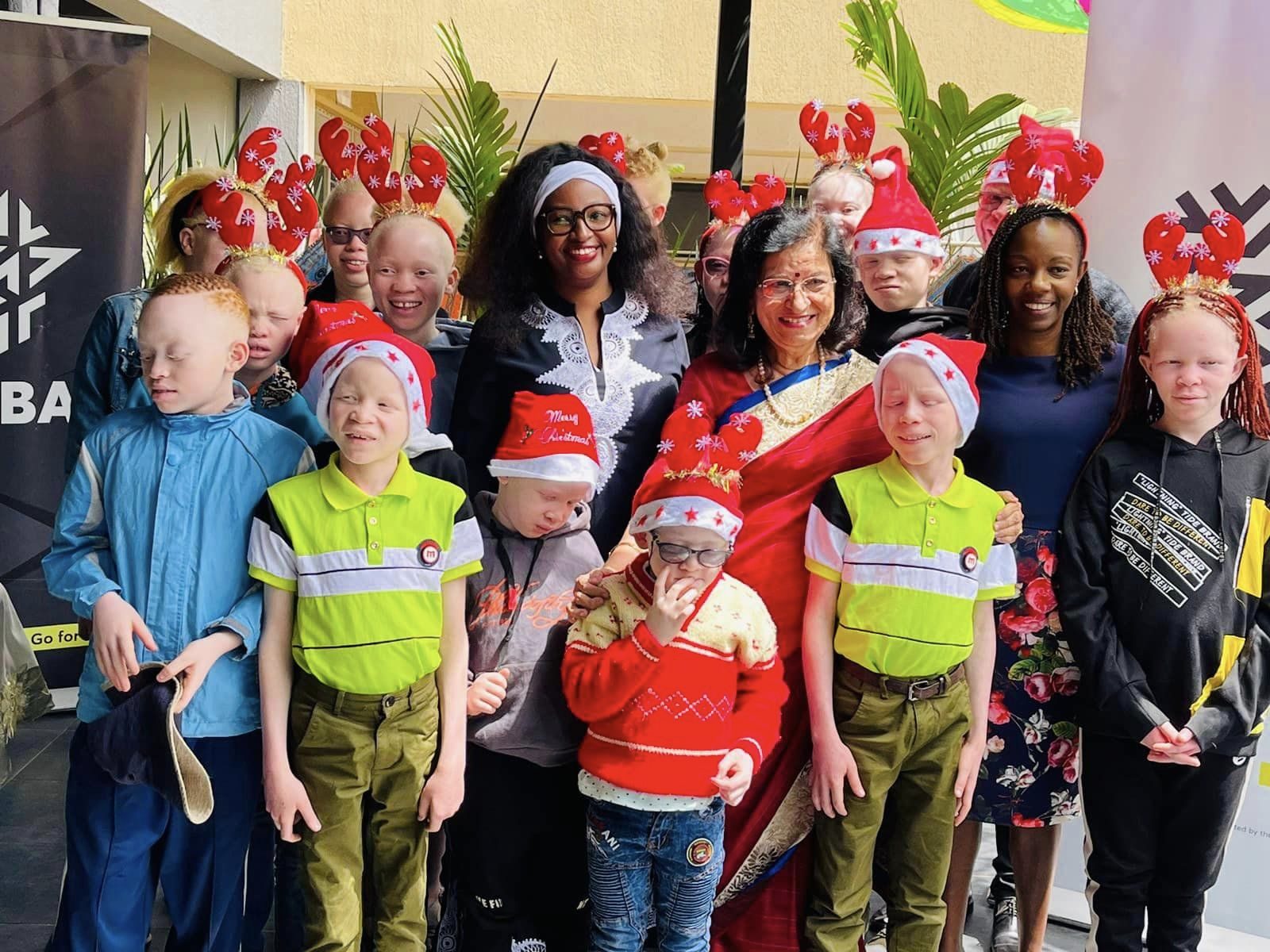
Caxton Osozie: Rising Above Rejection
Across Africa, myths still put children with albinism in danger. On World Sight Day, we renewed our pledge.
Happy International Day of Persons with Disabilities 2024
Shining a spotlight on children with albinism and challenging them to lead.
Advocacy · December 28, 2022Rescuing Children Fleeing from DR Congo
Five siblings threatened with abduction found safety, schooling, and sight in Nairobi.
Is a child with albinism in danger?
If a child is at immediate risk in Kenya, call the police on 999 or 112, or Childline Kenya on 116, free from any phone. Then tell us. We will support the child and family, confidentially.
For parents & guardians
Adapting to a diagnosis of albinism takes education, support, love, and time. A few suggestions for the journey ahead.
Our partners
We are grateful to everyone who helps give the Gift of Sight, the Gift of Education, and Wings to Fly.
 Proud memberGlobal Albinism Alliance
 Education since 2015NCBA Bank
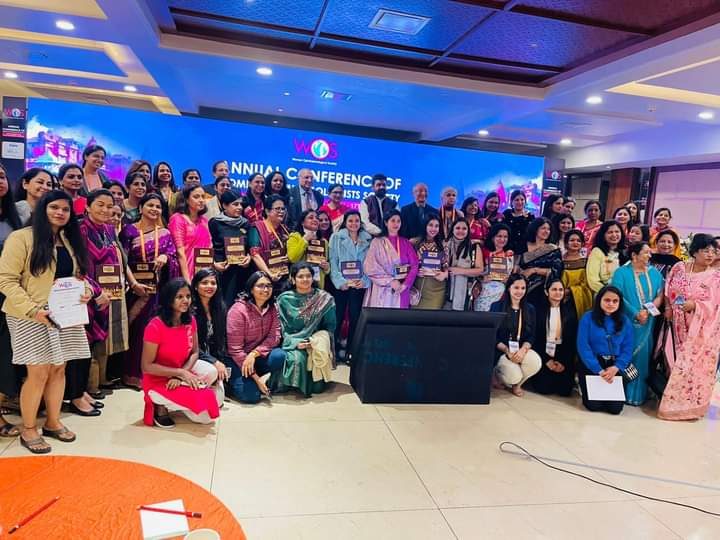
 Eye careWomen Ophthalmologists Worldwide
 EducationM-Pesa Foundation Academy
 Sun protectionAlbinism Foundation in Africa
With thanks also to the National Council for Persons with Disabilities and 3Z Foundation.
Partner from anywhere
This is the international home of the foundation. Hospitals, schools, companies and individuals outside Kenya write to us every week — to fund school fees, send sunscreen and lenses, mentor a student, or bring this work to their own country.
- Corporate & institutional partnerships
- Sponsor a child’s education
- Donate sunscreen, hats & low-vision aids
- Mentoring, research & speaking
Or write to us directly at drchokseyalbinismfoundation@gmail.com